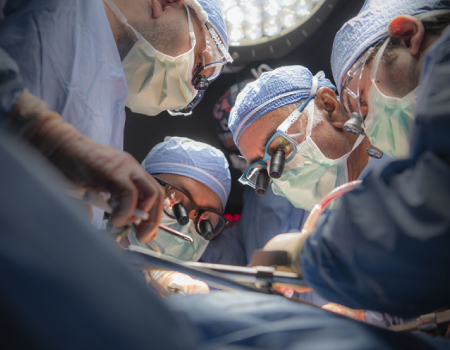
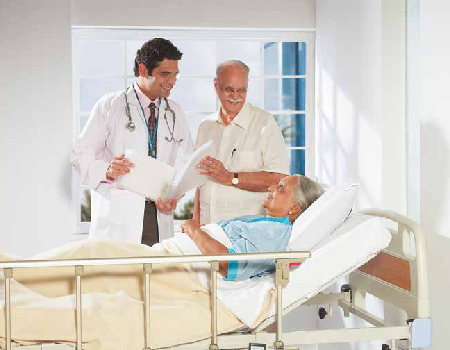
The initial phase is devoted to recovery after liver transplant surgery and forms the base of post liver transplant care. The patients are typically left in a hospital where close observation is done. The doctors monitor liver function and blood levels for infection and improvement as part of early liver transplant management. Weakness and poor energy are expected symptoms at this stage. The patients require rest but also exercise and light activity. The initiation of drug therapy is now initiated for liver improvement and also to avert potential rejection reactions. The start is essential to build a foundation for future success and recovery.
Home Care After Liver Transplant Surgery
After the patient has been discharged home, living after a liver transplant becomes everyday life and post liver transplant care continues outside the hospital. The medicines have to be taken at all times. Missing any medicine can affect the transplanted liver and overall liver transplant management. Food is also important. Plain, clean food is very helpful for proper digestion of food and for increasing strength. Alcohol is totally avoided. The habit of sleeping stays disrupted for some time, but it settles down gradually. Regular blood tests are required; sometimes, they have to be done on a weekly basis at the start. The key role here is played by members of the family in supporting recovery.
Long-Term Management for Liver Transplants
Management of liver transplant patients is lifelong and is a core part of liver transplant management. Slowly, there would be decreased attention from the hospitals, but it would rarely ever cease. Medications may decrease in quantity, but they rarely ever come to a complete stop. The doctor is ever vigilant regarding the presence of any side effects, infection, or alterations in the liver. Regular exercise is incorporated into the lifestyle, starting very slowly but increasing steadily. Good psychiatric care is also necessary, as stress and anxiety can suddenly show up during long-term recovery.
Lifestyle Changes After Transplant
Lifestyle habits may have to be altered after transplant. Smoking is not done. Healthy food and clean water become habits, not preferences. Weight management is required as some drugs cause increased weighing. Blood pressure and sugar are frequently checked. By following all these habits, the liver and health are protected. Many patients are able to work and travel, but prior consultation with the doctor is necessary. Life is different but can also be full of activity with proper liver transplant management.
Liver Transplant Success Rate in India
The liver transplant success rate in India has been improving. This improvement is due to advancements in surgical techniques as well as good follow-through treatment and structured post liver transplant care. Most centers in India have reported good survival rates in the initial year following transplantation. Various factors influence the success of liver transplant surgery in India. These include the condition of the patient prior to the operation, treatment after the operation, and adherence to medication. Early diagnosis and timely transplantation could also be a factor.
Survival Rate of Liver Transplant Surgery
After a year, five years, or even more, the survival rate after liver transplant surgery is often determined. The survival rate may be rather good if there are no issues during and after the surgery. Even though rejection may be promptly addressed with appropriate medical treatment, it is important to keep frequent follow-ups and a healthy lifestyle in order to live longer after surgery.