Liver diseases we treat
Most liver disease can be treated without surgery when found early. Each page explains the condition, the tests and the point at which surgery or transplant becomes the right option.
 Medically reviewed by Dr Vishal Kumar Chorasiya, MBBS, MS, FACS · Last updated 30 Sep 2026
Explore liver diseases
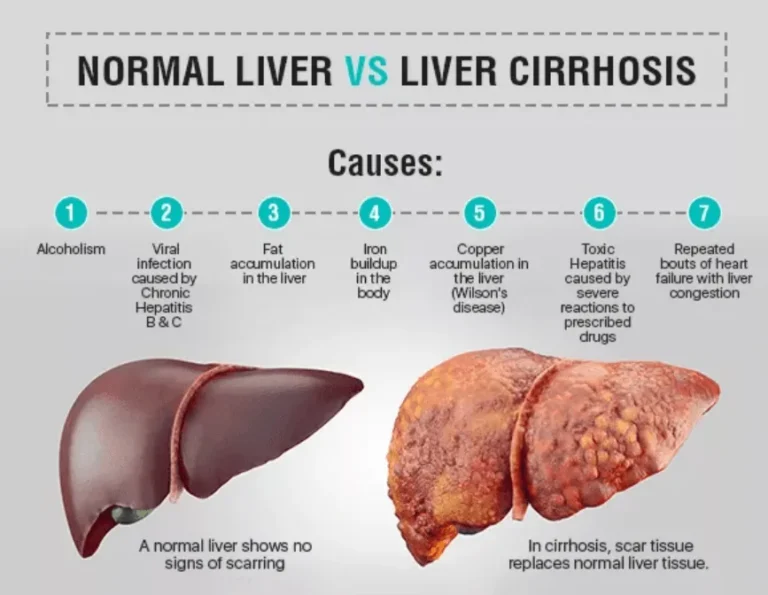
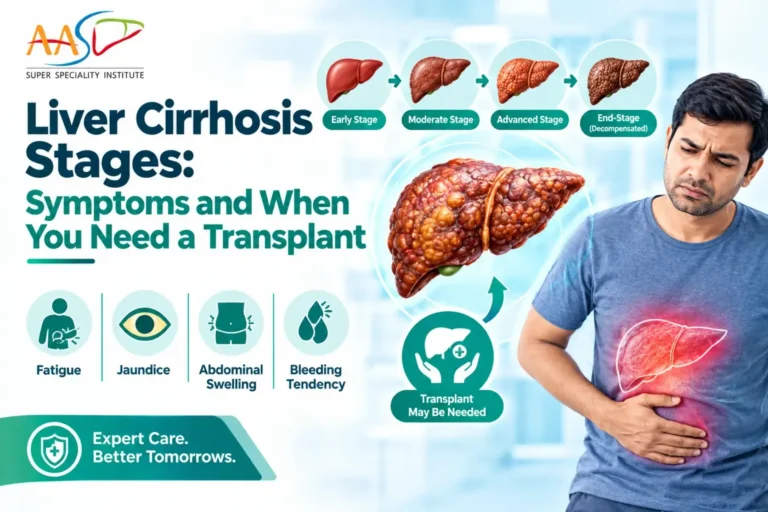
Liver cirrhosis
Stages and when to transplant
Read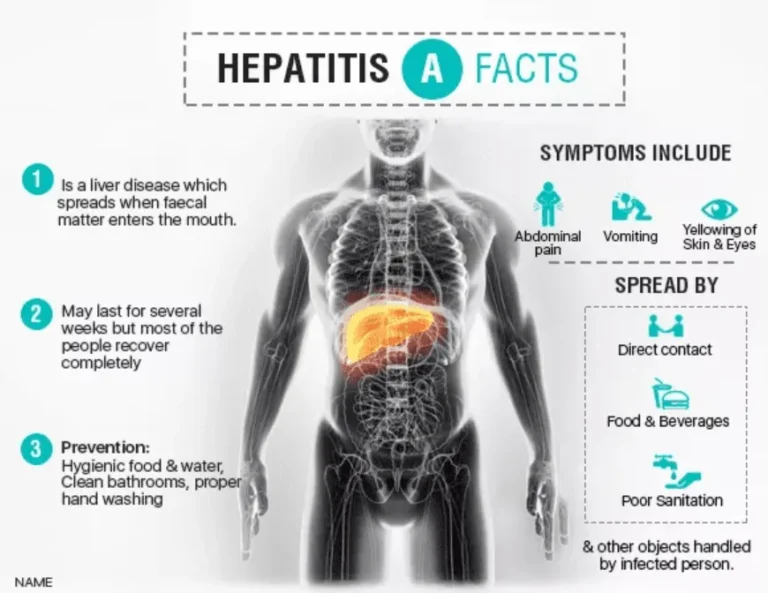
Hepatitis A, B, C & autoimmune
Testing and treatment
Read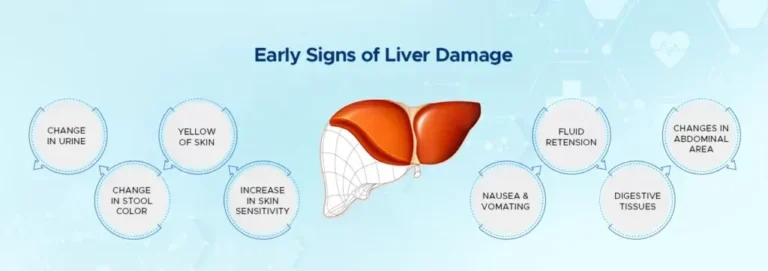
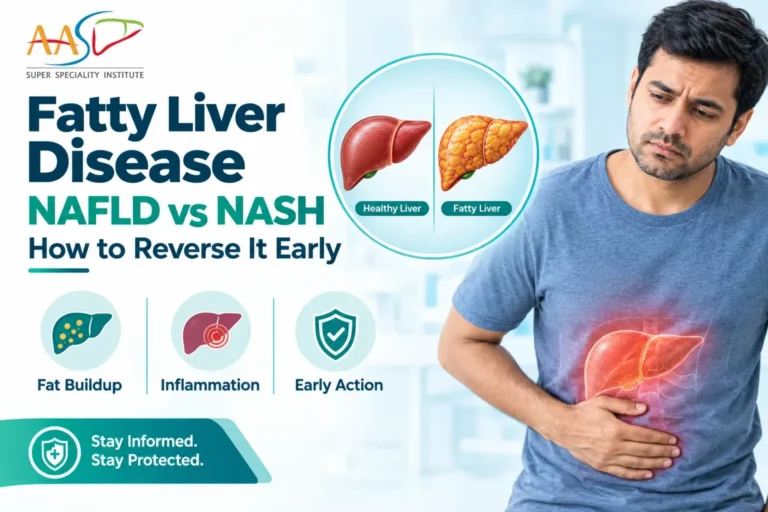
Fatty liver (NAFLD / NASH)
Reversing it early
Read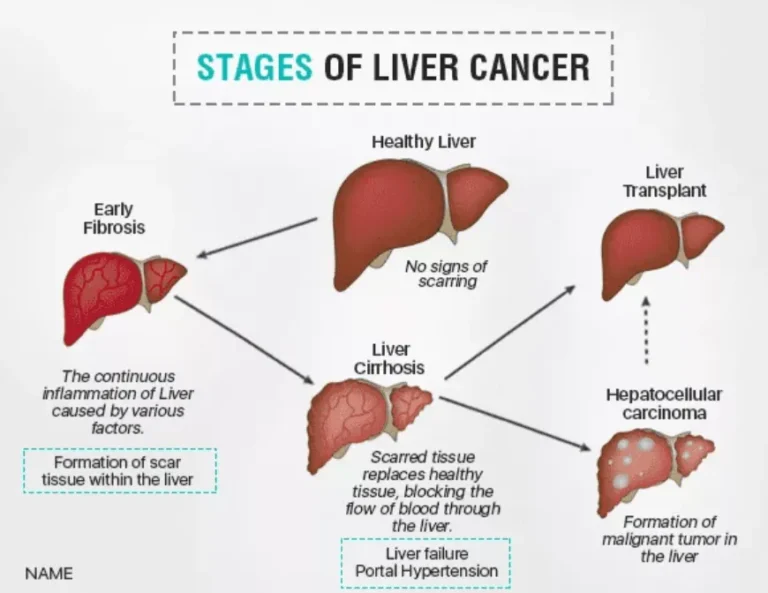
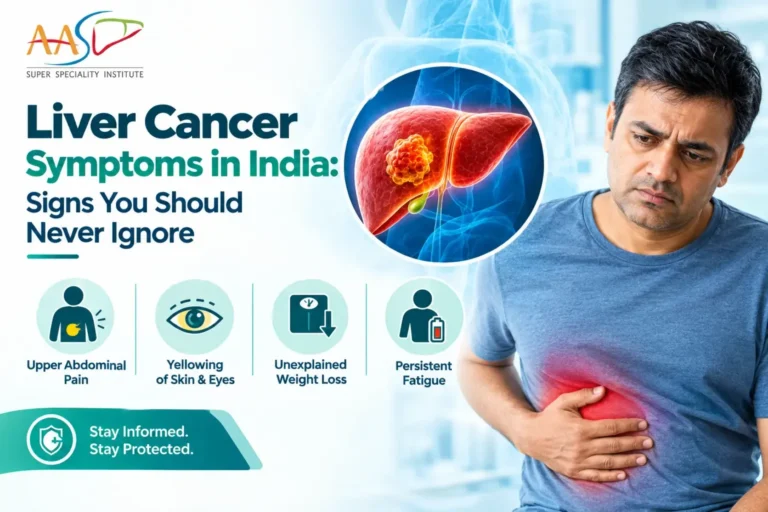
Liver cancer (HCC)
Surgery, transplant, therapy
Read
Acute liver failure
Emergency pathway
Read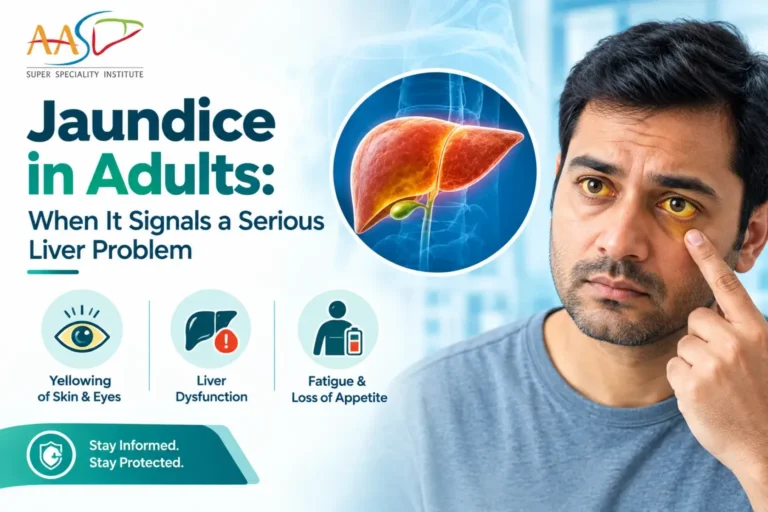
Jaundice in adults
When it is serious
ReadRisk factors
Get tested early
Anyone with diabetes, obesity, regular alcohol use or a family history of hepatitis B should have liver tests and an ultrasound.
Why liver protection matters
The liver filters the blood, makes proteins that help the blood clot, stores energy and helps digest fat. It can lose a large part of its function before symptoms appear, which is why liver disease is often found late. Simple blood tests and an ultrasound can find it early, when it is most treatable.
Symptoms that need a liver check
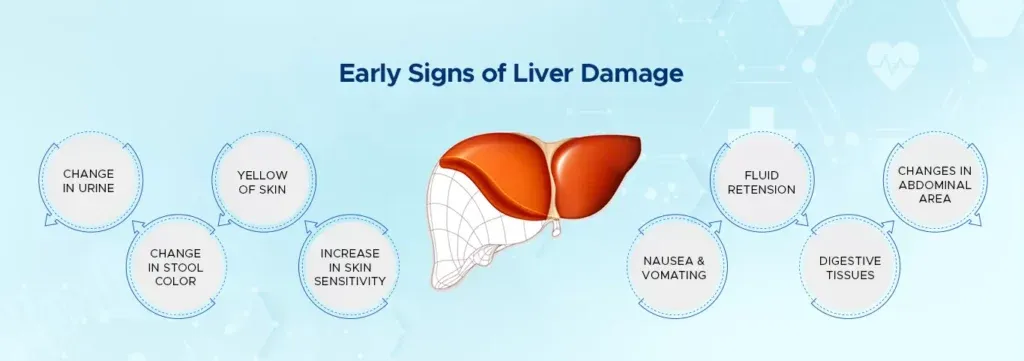
- Yellow eyes or skin, dark urine or pale stools
- Swelling of the abdomen or legs
- Tiredness, poor appetite or unexplained weight loss
- Itching all over the body
- Easy bruising, nosebleeds or bleeding gums
- Confusion or excessive sleepiness
How liver disease is diagnosed
- Blood tests: liver function tests, INR, platelets, hepatitis markers
- Imaging: ultrasound, CT or MRI
- Fibrosis assessment: FibroScan or blood-based scores (FIB-4)
- Endoscopy to look for varices in cirrhosis
- Liver biopsy when the cause is still unclear
How the liver gets damaged
- Inflammation of liver cells: hepatitis
- Blocked bile flow: cholestasis
- Fat building up in the liver: steatosis (fatty liver)
- Reduced blood flow to or through the liver
- Injury from alcohol, chemicals, medicines and some herbal products
- Cancer cells growing in the liver
Alcoholic liver disease
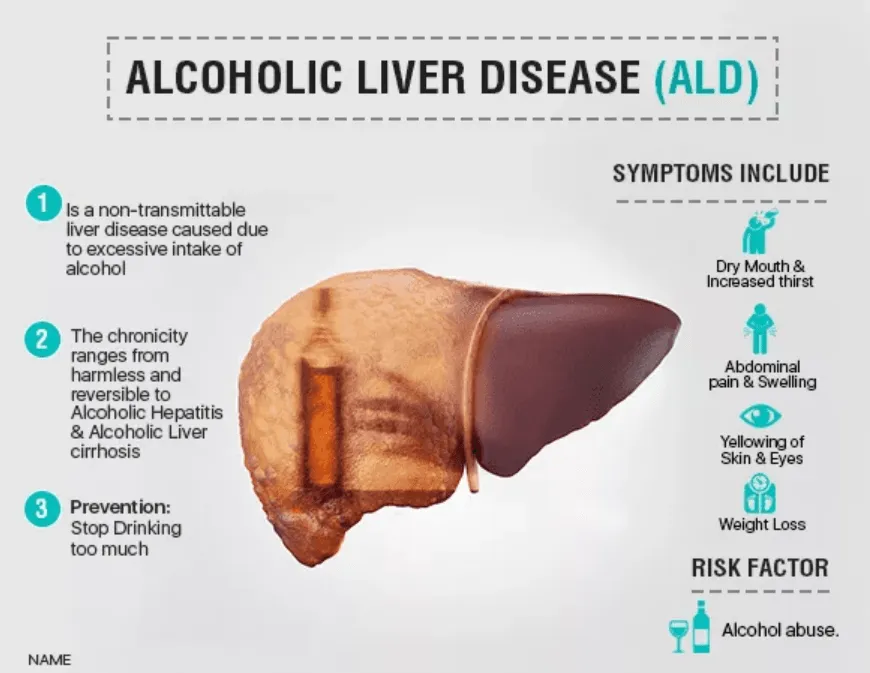
Heavy drinking over years damages the liver in three stages: fatty liver, alcoholic hepatitis and alcoholic cirrhosis. Early symptoms are vague, such as tiredness, poor appetite and weight loss; later come jaundice, fluid in the abdomen, easy bruising and confusion. Severe alcoholic hepatitis is dangerous and may need steroid treatment. Stopping alcohol completely is the most important treatment at every stage, and patients with end-stage alcoholic cirrhosis who stay abstinent can be considered for a liver transplant.
Liver disease in children
- Jaundice lasting beyond two weeks of age, pale stools or dark urine
- Itching from bile building up in the body
- Poor appetite and failure to gain weight
- Easy bruising or bleeding (low vitamin K)
- Fractures from weak bones
Children with these signs need a liver specialist. See pediatric liver transplant.
Liver function tests explained
| Test | What it shows |
|---|---|
| ALT and AST | Liver cell inflammation or injury |
| ALP and GGT | Bile duct problems |
| Bilirubin | Jaundice and how well bile is cleared |
| Albumin and total protein | How well the liver makes proteins |
| PT / INR | Blood clotting; a key measure of liver function |
| Ammonia | Checked in confusion, when liver failure is suspected |
Short videos from Dr Chorasiya
More on YouTube Your liver may be warning you in these 5 ways
 Subtle warning signs before serious liver damage
 Alcohol is not the only cause of liver damage
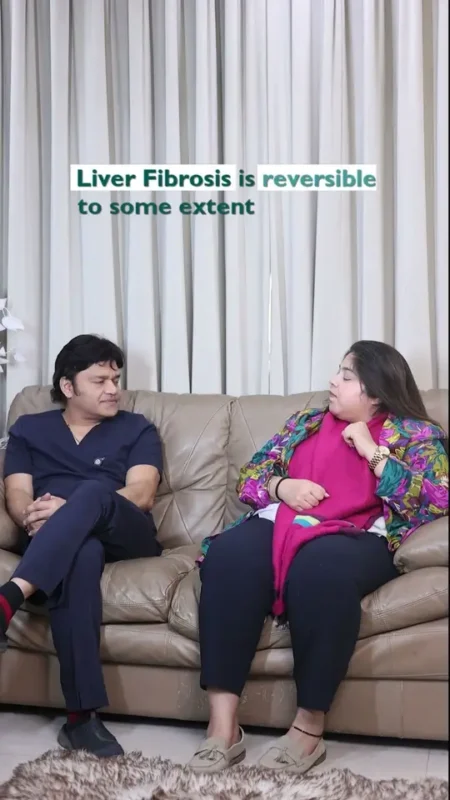 Why the stage of liver disease matters
 Your urine colour could be warning you about your liver
 The liver repairs itself, but not without limit
 Does your liver need a detox?
 Liver disease is a medical condition, not a stigma
Frequently asked questions
When should I see a doctor for liver disease?
If you notice jaundice, abdominal swelling, vomiting blood, black stools or confusion, seek care the same day. If you have diabetes, obesity, regular alcohol use or hepatitis B in the family, ask for a liver check-up.
What is the treatment for liver disease?
It depends on the cause: antiviral tablets for hepatitis B and C, weight loss for fatty liver, stopping alcohol, immune-suppressing medicines for autoimmune hepatitis, and surgery or transplant for cancer and end-stage disease.
What is alcoholic liver disease?
Liver damage caused by long-term heavy drinking. It progresses from fatty liver to alcoholic hepatitis and cirrhosis. Stopping alcohol completely is the most important treatment at every stage.
Can the liver repair itself?
Yes, the liver regenerates well. Early damage can reverse when the cause is removed, but advanced scarring (cirrhosis) usually cannot be undone.
What are the symptoms of liver disease?
Often none at first. Later: tiredness, jaundice, dark urine, pale stools, itching, abdominal swelling, easy bruising and confusion.
How is liver disease diagnosed?
With a history and examination, liver function tests, hepatitis markers, an ultrasound, FibroScan, CT or MRI, and sometimes a liver biopsy.