
On this page

Group Director – Liver Transplant, HPB, GI & Robotic Surgery

MBBS, MS, MCh · Director – Liver Transplant, HPB, GI & Robotic Surgery

MBBS, DA, DNB, MNAMS · Director – Liver Transplant Anaesthesia & Critical Care
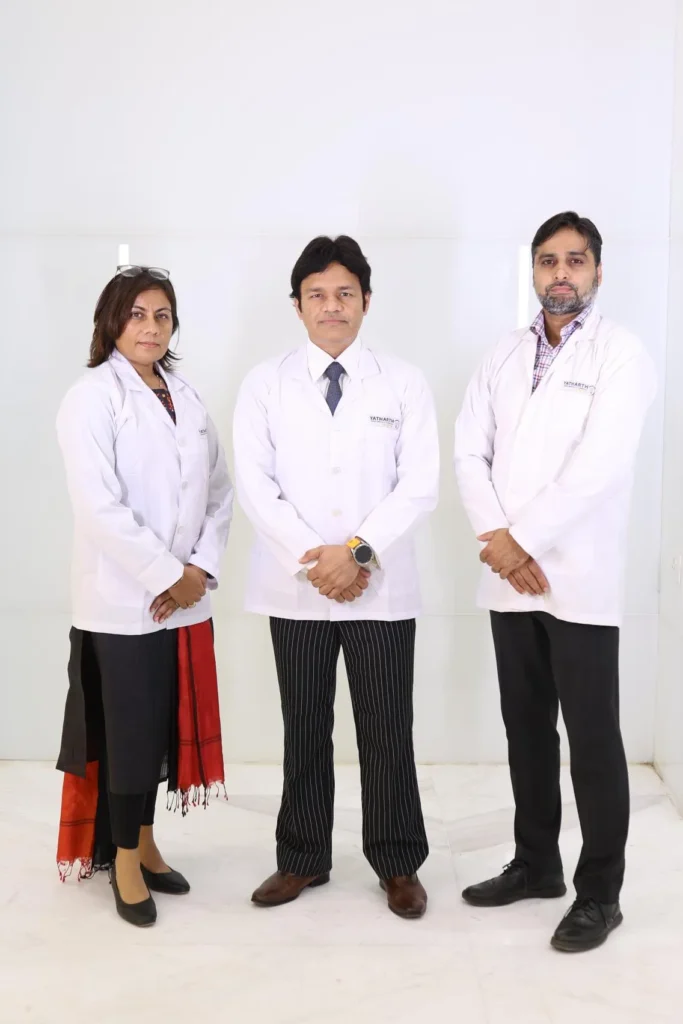
How the team works
Every case is discussed in a weekly multidisciplinary meeting. The same team follows the patient from evaluation to long-term follow-up.
Who is in a liver transplant team
| Specialist | Role |
|---|---|
| Transplant and HPB surgeons | Plan and perform the donor and recipient operations |
| Hepatologists and gastroenterologists | Assess liver disease, prepare the patient and manage medicines after transplant |
| Transplant anaesthetists | Anaesthesia and monitoring during long, complex surgery |
| Critical care specialists | Round-the-clock care in the transplant ICU |
| Interventional radiologists | Scans, biopsies and non-surgical treatment of complications |
| Transplant coordinators | Guide families through tests, documents, approval and follow-up |
| Transplant nurses, dietitians and counsellors | Daily care, nutrition, and emotional support for patient and donor |
Leadership
The programme is led by Dr Vishal Kumar Chorasiya, Group Director – Liver Transplant, HPB, GI & Robotic Surgery at Yatharth Group of Hospitals, with Dr Arif Ali Khan (Director – Liver Transplant, HPB, GI & Robotic Surgery) and Dr Suvyl Fernandes Rodricks (Director – Liver Transplant Anaesthesia & Critical Care).
Patient-centred, ethical care
The team’s aim is not only a successful operation but a complete support system: honest explanation of risks, written plans and costs, protection of the living donor’s interests, and lifelong follow-up. Every donation follows the Transplantation of Human Organs and Tissues Act, with independent review by the authorisation committee.
Frequently asked questions
Who will perform my liver transplant?
The operation is led by Dr Vishal Kumar Chorasiya with the AASLT transplant surgeons, anaesthetists and critical care team.
Will the same team look after the donor?
The same programme cares for both, but the donor also has an independent assessment so that the donor’s safety and wishes come first.

Group Director – Liver Transplant, HPB, GI & Robotic Surgery, Yatharth Group of Hospitals. 18+ years in liver transplantation.
This page is for general information and is not a substitute for medical advice. Speak to the transplant team for a personal assessment.