Key facts
- Who is suitable: Patients with good liver function and enough healthy liver left behind, measured on CT volumetry.
- Approaches: Open resection for large or complex tumours; Laparoscopic resection for suitable tumours; Robotic resection for precise work in difficult positions.
- Recovery: Hospital stay about 5–7 days after keyhole surgery; the liver regrows over 6–8 weeks.
- Conditions treated with liver resection: Hepatocellular carcinoma in patients with good liver function; Bowel (colorectal) cancer that has spread to the liver; Cholangiocarcinoma (bile duct cancer) and gallbladder cancer.
- How much liver can be removed? A healthy liver can lose up to about 70% of its volume and regrow, while a liver with cirrhosis tolerates much less.
On this page
Who is suitable
Patients with good liver function and enough healthy liver left behind, measured on CT volumetry.
Approaches
- Open resection for large or complex tumours
- Laparoscopic resection for suitable tumours
- Robotic resection for precise work in difficult positions
Recovery
Hospital stay about 5–7 days after keyhole surgery; the liver regrows over 6–8 weeks.
Conditions treated with liver resection
- Hepatocellular carcinoma in patients with good liver function
- Bowel (colorectal) cancer that has spread to the liver
- Cholangiocarcinoma (bile duct cancer) and gallbladder cancer
- Benign tumours causing symptoms or growing, such as adenomas
- Hydatid cysts and other complex liver cysts
How much liver can be removed?
A healthy liver can lose up to about 70% of its volume and regrow, while a liver with cirrhosis tolerates much less. CT volumetry measures the future liver remnant before surgery. If it is too small, portal vein embolisation can make the remaining liver grow first, so that a larger resection becomes safe.

Laparoscopic and robotic liver resection
Minimally invasive liver resection means smaller incisions, less pain and blood loss, and a shorter hospital stay, with the same cancer results as open surgery in suitable patients. It is increasingly used for tumours in difficult positions. See robotic surgery.
Risks and recovery
The main risks are bleeding, bile leak and, after large resections, temporary liver dysfunction. Most patients walk the day after surgery, eat within a day or two and go home in about 5–7 days after keyhole surgery. Normal activities usually return within 4–6 weeks.
Frequently asked questions
Does the liver grow back after surgery?
Yes. The remaining liver regrows to close to its original size, usually within 6–8 weeks.
Is liver resection a major operation?
Yes, but with careful planning and specialist teams it is safe for suitable patients, and keyhole techniques shorten recovery.
Can liver metastases from colon cancer be removed?
Often yes. Resection of colorectal liver metastases, combined with chemotherapy, offers long-term survival for many patients.
Liver resection or liver transplant: which is better for liver cancer?
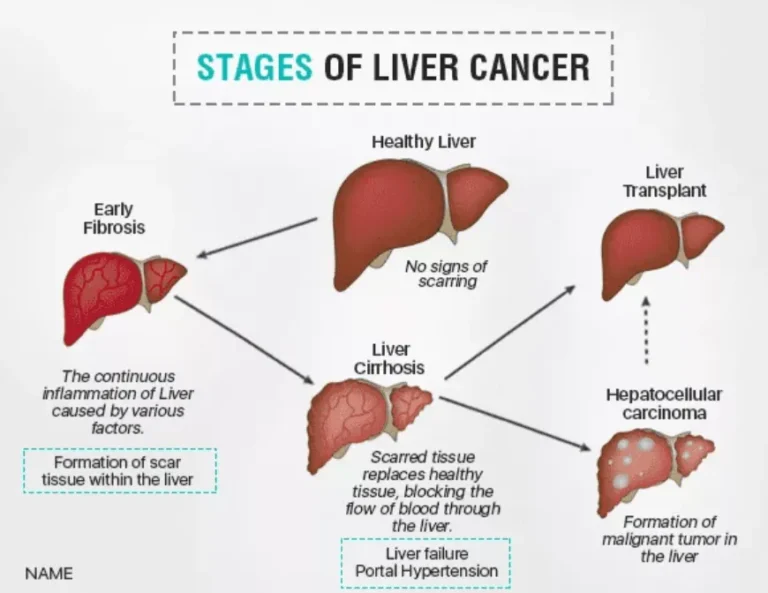
Resection suits patients with good liver function; transplant suits patients with cirrhosis and tumours within criteria. A tumour board decides.

Group Director – Liver Transplant, HPB, GI & Robotic Surgery, Yatharth Group of Hospitals. 18+ years in liver transplantation.
This page is for general information and is not a substitute for medical advice. Speak to the transplant team for a personal assessment.