Key facts
- Transplant for liver cancer: Milan criteria (one tumour up to 5 cm, or up to three tumours each up to 3 cm, with no vessel invasion) are the standard for transplant.
- Screening: Anyone with cirrhosis or chronic hepatitis B should have an ultrasound and AFP test every six months.
- Symptoms of liver cancer: Early liver cancer usually causes no symptoms, which is why screening matters.
- How liver cancer is diagnosed: Triple-phase CT or MRI: often enough to diagnose hepatocellular carcinoma without a biopsy; AFP blood test: a tumour marker, raised in many patients; Biopsy: when imaging is not typical.
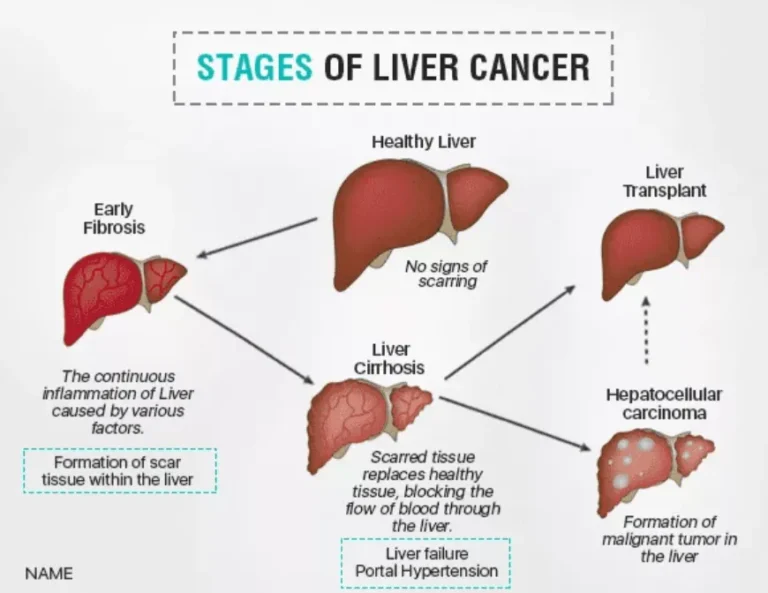
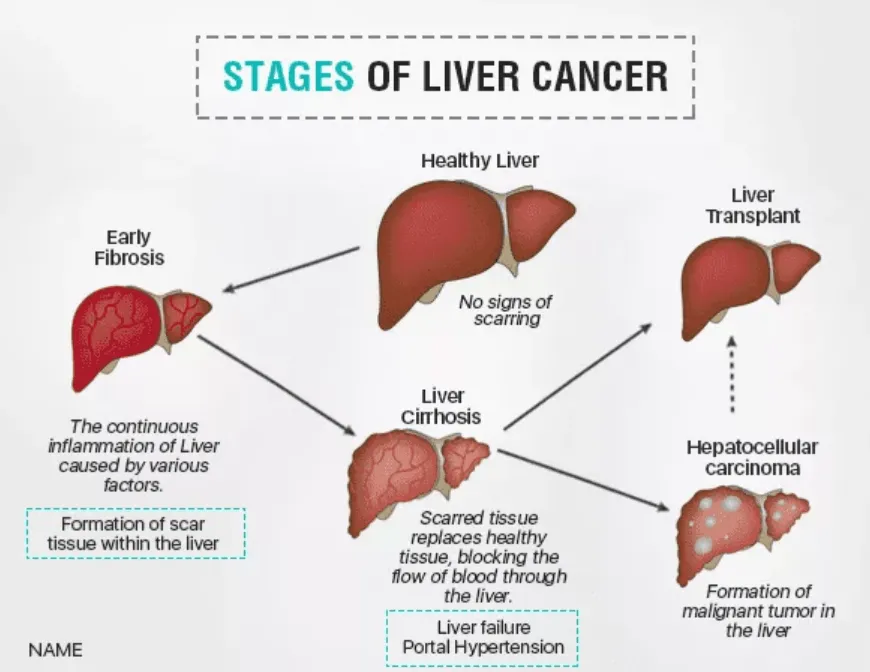
- Primary liver cancer and secondaries: Hepatocellular carcinoma starts in the liver, usually in a liver damaged by hepatitis B, hepatitis C, alcohol or fatty liver.
On this page
Treatment options
| Situation | Usual option |
|---|---|
| Single tumour, good liver function | Liver resection |
| Tumours within Milan criteria and cirrhosis | Liver transplant |
| Small tumour, not fit for surgery | Ablation (RFA / MWA) |
| Larger or multiple tumours | TACE, TARE |
| Spread outside the liver | Immunotherapy and targeted drugs |
Transplant for liver cancer
Milan criteria (one tumour up to 5 cm, or up to three tumours each up to 3 cm, with no vessel invasion) are the standard for transplant. Some patients outside these criteria become eligible after downstaging treatment.
Screening
Anyone with cirrhosis or chronic hepatitis B should have an ultrasound and AFP test every six months.
Symptoms of liver cancer
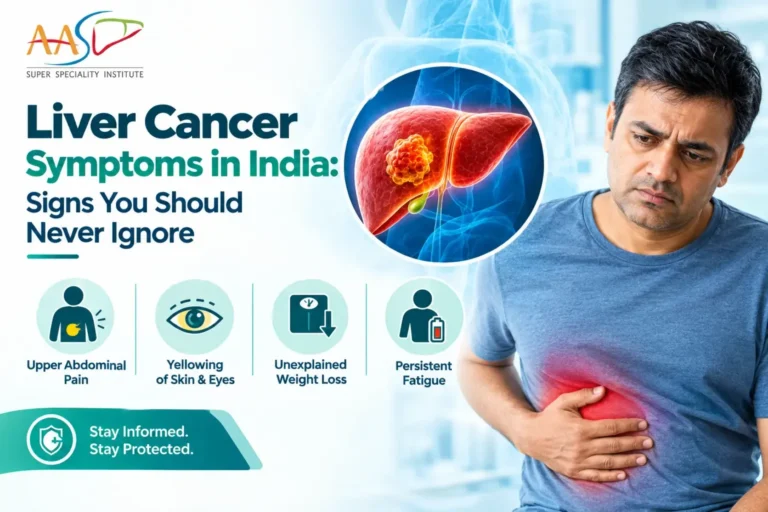
Early liver cancer usually causes no symptoms, which is why screening matters. Later symptoms include pain or a lump in the upper right abdomen, weight loss, loss of appetite, jaundice, abdominal swelling and, in people with cirrhosis, sudden worsening of liver function.
How liver cancer is diagnosed
- Triple-phase CT or MRI: often enough to diagnose hepatocellular carcinoma without a biopsy
- AFP blood test: a tumour marker, raised in many patients
- Biopsy: when imaging is not typical
- PET-CT and chest CT: to check for spread
- Liver function tests and scores (Child-Pugh, MELD) to plan treatment
Primary liver cancer and secondaries
Hepatocellular carcinoma starts in the liver, usually in a liver damaged by hepatitis B, hepatitis C, alcohol or fatty liver. Cholangiocarcinoma starts in the bile ducts. Many tumours in the liver are secondaries (metastases) from the bowel or elsewhere. Bowel cancer secondaries can often be removed with liver resection, with good long-term results.
Multimodal treatment
The best results come from a tumour board, where the surgeon, hepatologist, oncologist and interventional radiologist plan treatment together. A patient may have TACE to shrink a tumour, then resection or transplant, followed by surveillance. Immunotherapy has improved outcomes for advanced cancer.
Frequently asked questions
Is liver cancer curable?
Yes, when found early and treated with resection, transplant or ablation.
What are the early signs of liver cancer?
Usually there are none. In people with cirrhosis or hepatitis B, unexplained weight loss, abdominal pain or a sudden worsening of liver function should prompt a scan.
Can liver cancer be treated with a transplant?
Yes, when the cancer is within criteria such as Milan. A transplant removes both the tumour and the diseased liver that caused it.
What is TACE?
Transarterial chemoembolisation: chemotherapy delivered straight into the tumour’s artery, which is then blocked. It controls tumours that cannot be removed and can shrink them for surgery.
How is liver cancer diagnosed?
Usually with a triple-phase CT or MRI and an AFP blood test. A biopsy is needed only if imaging is not typical.
Who should be screened for liver cancer?
Anyone with cirrhosis from any cause, and people with chronic hepatitis B, should have an ultrasound and AFP every six months.

Group Director – Liver Transplant, HPB, GI & Robotic Surgery, Yatharth Group of Hospitals. 18+ years in liver transplantation.
This page is for general information and is not a substitute for medical advice. Speak to the transplant team for a personal assessment.