Key facts
- Who is it for: BMI of 35 or more, or 30 or more with diabetes or other obesity-related disease (ASMBS/IFSO 2022 guidance; lower thresholds can apply for Asian patients).
- Operations: Sleeve gastrectomy; Roux-en-Y gastric bypass; One-anastomosis gastric bypass.
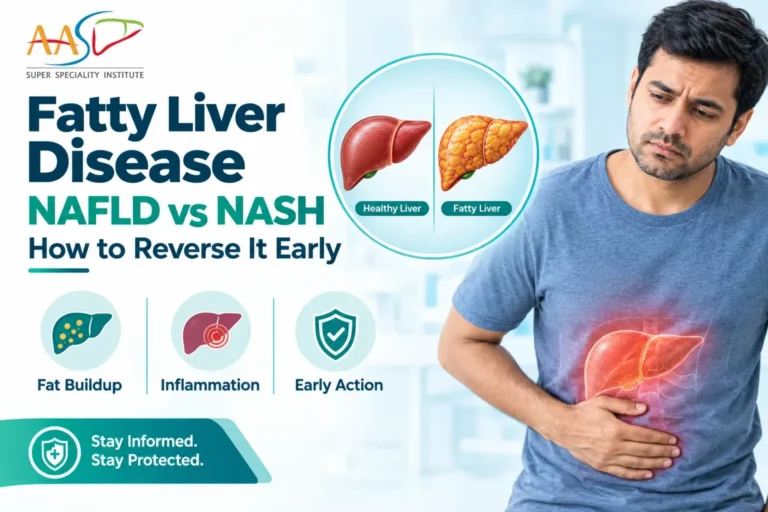
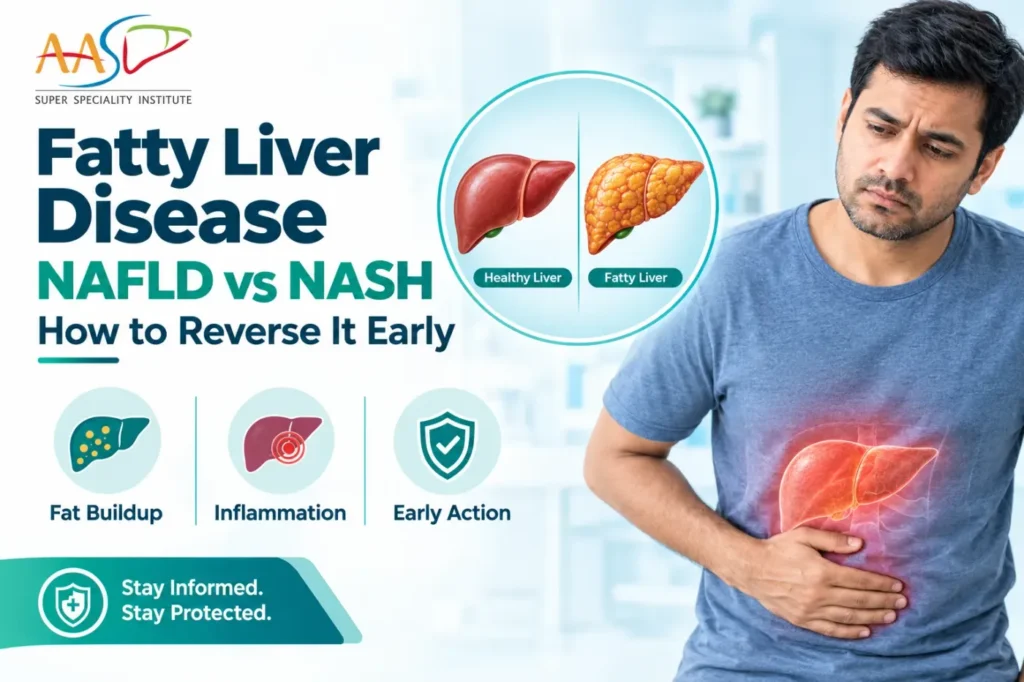
- Effect on the liver: Weight loss after surgery can reverse fatty liver and early scarring.
- Health benefits beyond weight loss: Type 2 diabetes often goes into remission or needs fewer medicines; Blood pressure, sleep apnoea and joint pain improve; Fatty liver and early liver scarring can reverse.
- Life after bariatric surgery: The first weeks move from liquids to soft foods and then normal food in small portions.
On this page
Who is it for
BMI of 35 or more, or 30 or more with diabetes or other obesity-related disease (ASMBS/IFSO 2022 guidance; lower thresholds can apply for Asian patients).
Operations
- Sleeve gastrectomy
- Roux-en-Y gastric bypass
- One-anastomosis gastric bypass
Effect on the liver
Weight loss after surgery can reverse fatty liver and early scarring. See fatty liver.
How weight-loss surgery works
| Operation | How it works | Points to know |
|---|---|---|
| Sleeve gastrectomy | Removes about 75–80% of the stomach, reducing hunger hormones | Most common operation; simpler follow-up |
| Roux-en-Y gastric bypass | Small stomach pouch joined to the small intestine | Strong effect on diabetes and reflux |
| One-anastomosis gastric bypass | Single join between pouch and intestine | Effective; needs vitamin follow-up |
All are done by keyhole surgery, usually with a 2–3 day hospital stay.
Health benefits beyond weight loss
- Type 2 diabetes often goes into remission or needs fewer medicines
- Blood pressure, sleep apnoea and joint pain improve
- Fatty liver and early liver scarring can reverse
- Lower long-term risk of heart disease and some cancers
- Better mobility, fertility and quality of life
Life after bariatric surgery
The first weeks move from liquids to soft foods and then normal food in small portions. Lifelong vitamin and mineral supplements, enough protein, regular exercise and follow-up with the dietitian keep the weight off and prevent deficiencies.
Frequently asked questions
Who is eligible for bariatric surgery?
Generally adults with a BMI of 35 or more, or 30 or more with diabetes or other obesity-related conditions. Lower thresholds can apply for Asian patients.
How much weight will I lose after bariatric surgery?
Most patients lose a large part of their excess weight over 12–18 months; results depend on the operation and on following the diet and exercise plan.
Is bariatric surgery safe?
Keyhole bariatric surgery is a well-established operation, and serious complications are uncommon at experienced centres.
Can bariatric surgery cure diabetes?
Many people with type 2 diabetes go into remission or need far fewer medicines, especially when diabetes is of shorter duration.
Will I need supplements for life?
Yes. Multivitamins, calcium, vitamin D, iron and vitamin B12 are usually needed long term.

Group Director – Liver Transplant, HPB, GI & Robotic Surgery, Yatharth Group of Hospitals. 18+ years in liver transplantation.
This page is for general information and is not a substitute for medical advice. Speak to the transplant team for a personal assessment.