Key facts
- Evaluation (1–2 weeks): Blood tests, CT or MRI of the liver, heart and lung checks, dental and infection screening, and meetings with the hepatologist, surgeon, anaesthetist, dietitian and counsellor.
- Donor work-up and approval: The donor has blood tests, a CT scan to measure liver volume and anatomy, and a psychological assessment.
- Surgery: The donor operation removes the right or left part of the liver.
- Intensive care: Recipients spend about 3–5 days in the transplant ICU, then 7–10 days on the ward,, with close monitoring of blood flow to the new liver, kidney function and infection.
- Ward and discharge: Most recipients go home about three weeks after surgery and donors after about a week, then attend frequent follow-up visits.
On this page
1. Evaluation (1–2 weeks)
Blood tests, CT or MRI of the liver, heart and lung checks, dental and infection screening, and meetings with the hepatologist, surgeon, anaesthetist, dietitian and counsellor.
2. Donor work-up and approval
The donor has blood tests, a CT scan to measure liver volume and anatomy, and a psychological assessment. The hospital authorisation committee reviews documents as required by law.

3. Surgery
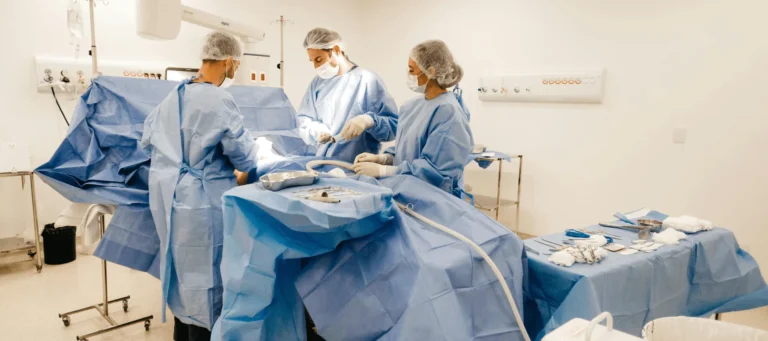
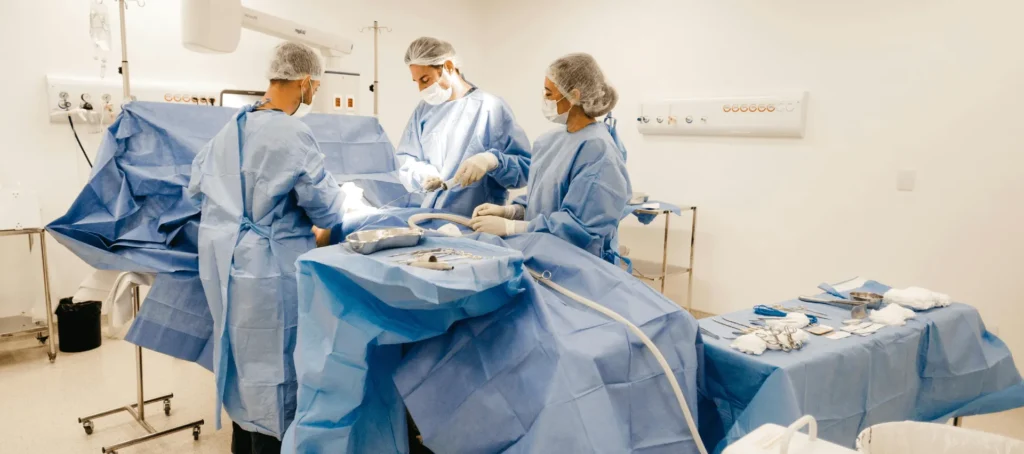
The donor operation removes the right or left part of the liver. At the same time the recipient’s diseased liver is removed and the new graft is connected to the blood vessels and bile duct. The recipient operation usually takes 6–12 hours.
4. Intensive care
Recipients spend about 3–5 days in the transplant ICU, then 7–10 days on the ward,, with close monitoring of blood flow to the new liver, kidney function and infection.
5. Ward and discharge
Most recipients go home about three weeks after surgery and donors after about a week, then attend frequent follow-up visits. See life after transplant.
Types of liver transplant operation
| Operation | What happens | Who it suits |
|---|---|---|
| Living donor (LDLT) | Part of a healthy relative’s liver is transplanted | Most adults and children in India |
| Deceased donor (DDLT) | A whole liver from a brain-dead donor | Patients on the state waiting list |
| Split liver | One deceased donor liver is shared between an adult and a child | Selected adult–child pairs |
| ABO-incompatible | Donor and recipient blood groups differ; the recipient is prepared first | When the only willing donor has a different blood group |
| Dual-graft | Parts of two donors’ livers are transplanted | Large recipients when one donor’s liver is not enough |
Preparing for surgery
- Stop alcohol and tobacco completely
- Keep eating well: protein and calorie supplements as advised by the dietitian
- Complete vaccinations (hepatitis B, pneumococcal, influenza) where time allows
- Treat dental and other infections before the operation
- Bring all reports, the list of medicines and the documents the coordinator asks for
Risks and how they are managed
Like all major surgery, a transplant has risks. The most important are bleeding, clots in the liver’s blood vessels, bile leaks, infection and rejection. Daily Doppler ultrasound, blood tests and early mobilisation help catch problems early. Interventional radiology and endoscopy can treat most bile duct and blood vessel problems without another operation.
Recovery timeline
| When | What to expect |
|---|---|
| Days 1–5 | Transplant ICU; breathing tube usually removed within a day |
| Days 5–14 | Ward: walking, eating, learning your medicines |
| Weeks 2–12 | Frequent clinic visits and blood tests; light activity |
| Months 3–6 | Back to most daily activities and often to work |
| After 6 months | Visits spaced out; normal life with lifelong medicines |
Frequently asked questions
Will the donor’s liver grow back?
Yes. Both the donor’s remaining liver and the recipient’s graft regrow close to full size within about 6–8 weeks.
How big is the scar?
Usually an inverted-L or Mercedes-type incision. Minimally invasive donor surgery may leave smaller scars where suitable.
How long does a liver transplant operation take?
The recipient operation usually takes 6–12 hours, depending on previous surgery, the size of the liver and the anatomy.
How long will I stay in hospital?
Usually 3–5 days in the transplant ICU, then 7–10 days on the ward. Donors usually stay about a week.
Is liver transplant surgery painful?
Pain is controlled with an epidural or pain pump in the first days, then tablets. Most patients are walking within two or three days.
When can I return to work?
Desk work is often possible after about three months; physically demanding work takes longer. The team advises you at follow-up.
What happens to my old liver?
The diseased liver is removed during the operation and sent for examination, which sometimes gives useful information, for example about a hidden cancer.

Group Director – Liver Transplant, HPB, GI & Robotic Surgery, Yatharth Group of Hospitals. 18+ years in liver transplantation.
This page is for general information and is not a substitute for medical advice. Speak to the transplant team for a personal assessment.