Key facts
- Who is at risk: Overweight or central obesity; Type 2 diabetes and prediabetes; High triglycerides.
- Tests: Ultrasound shows fat.
- Reversing it: Losing 7–10% of body weight, 150 minutes of exercise a week and avoiding sugary drinks and alcohol can reverse inflammation and early scarring.
- NAFLD, NASH and the new names: Doctors now call non-alcoholic fatty liver disease (NAFLD) MASLD (metabolic dysfunction-associated steatotic liver disease), and NASH MASH.
- Symptoms of fatty liver: Most people have no symptoms; fatty liver is usually found on an ultrasound done for another reason.
On this page
Who is at risk
- Overweight or central obesity
- Type 2 diabetes and prediabetes
- High triglycerides
- Sedentary lifestyle
Tests
Ultrasound shows fat. A FibroScan or FIB-4 blood score shows whether scarring has started, which decides how closely you need follow-up.
Reversing it
Losing 7–10% of body weight, 150 minutes of exercise a week and avoiding sugary drinks and alcohol can reverse inflammation and early scarring.
NAFLD, NASH and the new names
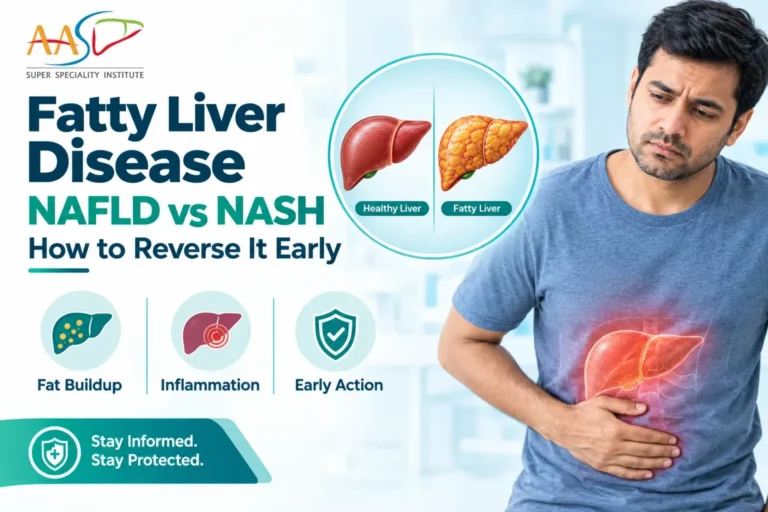
Doctors now call non-alcoholic fatty liver disease (NAFLD) MASLD (metabolic dysfunction-associated steatotic liver disease), and NASH MASH. The change reflects its link with weight, diabetes and cholesterol. The stages are the same:
- Simple fatty liver: fat in the liver without inflammation
- MASH (NASH): fat with inflammation and liver cell damage
- Fibrosis: scarring begins
- Cirrhosis: advanced scarring, which can lead to liver failure or cancer
Symptoms of fatty liver
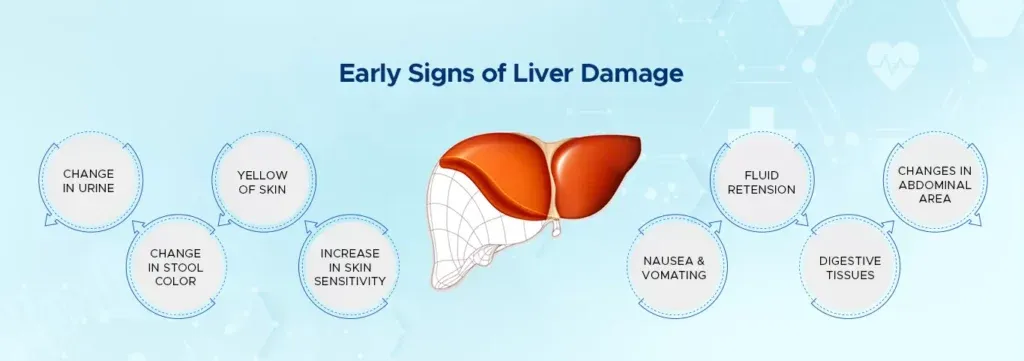
Most people have no symptoms; fatty liver is usually found on an ultrasound done for another reason. Some feel tired or have a dull ache in the upper right abdomen. Symptoms of advanced disease, such as jaundice and fluid, appear only when cirrhosis has developed.
Diet that helps
- Cut sugary drinks, fruit juices, sweets and refined flour (maida)
- Choose whole grains, dal, vegetables, fruit, nuts and lean protein
- Use less oil; avoid fried snacks and packaged foods
- Black coffee without sugar may protect the liver
- Avoid alcohol, especially once scarring has started
When fatty liver needs specialist care
If FibroScan or a FIB-4 score shows significant scarring, you need regular specialist follow-up. Newer medicines can help selected patients. For people with severe obesity, bariatric surgery can reverse fatty liver. Fatty liver that has progressed to cirrhosis is now a leading reason for liver transplant.
Frequently asked questions
Is grade 1 fatty liver dangerous?
Grade refers to fat on ultrasound, not damage. The FibroScan result matters more.
Can fatty liver be reversed?
Yes. Simple fatty liver and early inflammation can reverse with weight loss, exercise and avoiding sugar and alcohol.
Can thin people get fatty liver?
Yes. “Lean” fatty liver is common in South Asians, often linked to belly fat, insulin resistance and diet.
What is the difference between NAFLD and NASH?
NAFLD (now MASLD) means fat in the liver. NASH (now MASH) means fat with inflammation and liver cell damage, which can lead to scarring.
Which test shows liver damage from fatty liver?
A FibroScan or a blood-based FIB-4 score shows whether scarring has started. Ultrasound shows fat but not scarring.
How long does it take to reverse fatty liver?
Liver fat can fall within a few months of steady weight loss. Reversing scarring takes longer and needs sustained change.

Group Director – Liver Transplant, HPB, GI & Robotic Surgery, Yatharth Group of Hospitals. 18+ years in liver transplantation.
This page is for general information and is not a substitute for medical advice. Speak to the transplant team for a personal assessment.