Key facts
- Common reasons in children: Biliary atresia, especially after a failed Kasai operation; Metabolic and genetic liver disease; Acute liver failure.
- What is different in children: The graft is usually the left lateral segment of a parent’s liver.
- Growing up after transplant: Children take lifelong medicines but usually attend school, play sport and grow normally.
- Biliary atresia and the Kasai operation: Biliary atresia is the most common reason for liver transplant in children.
- Preparing a child for transplant: Nutrition support, often with special formula or tube feeding, to help the child grow before surgery; Catch-up vaccinations, including live vaccines that cannot be given after transplant; Play therapy and age-appropriate explanation to reduce fear.
On this page
Common reasons in children
- Biliary atresia, especially after a failed Kasai operation
- Metabolic and genetic liver disease
- Acute liver failure
- Liver tumours such as hepatoblastoma
What is different in children
The graft is usually the left lateral segment of a parent’s liver. Anaesthesia, ICU and nursing are adapted for small children, and vaccinations are planned before transplant where possible.
Growing up after transplant
Children take lifelong medicines but usually attend school, play sport and grow normally. Follow-up moves from weekly to a few times a year.
Biliary atresia and the Kasai operation
Biliary atresia is the most common reason for liver transplant in children. The bile ducts outside the liver are blocked from soon after birth. A Kasai operation in the first weeks of life can restore bile flow, but many children still need a transplant later. Signs to watch for are jaundice lasting beyond two weeks of age, pale stools and dark urine.
Preparing a child for transplant
- Nutrition support, often with special formula or tube feeding, to help the child grow before surgery
- Catch-up vaccinations, including live vaccines that cannot be given after transplant
- Play therapy and age-appropriate explanation to reduce fear
- Counselling and training for parents on medicines and hygiene
The parent as donor
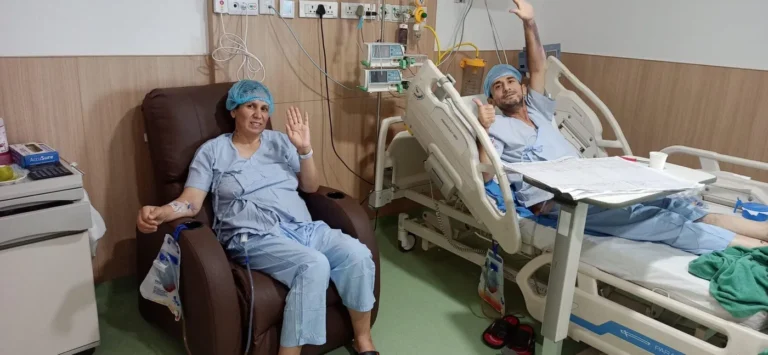
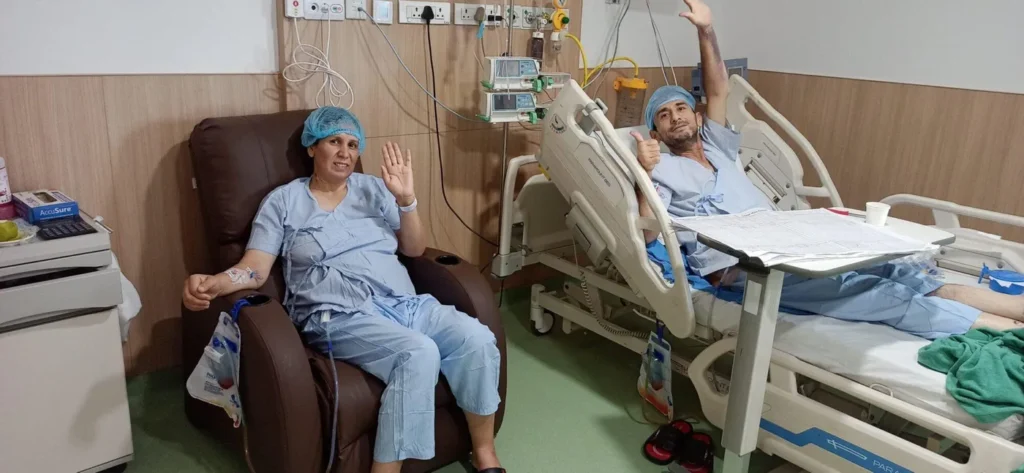
Usually one parent donates the left lateral segment, about a fifth of their liver. The parent recovers on the adult ward and usually goes home in about a week, often before the child. See living donor transplant.
School, sport and growth after transplant
Most children return to school about three months after transplant. They can play sport, go on trips and grow normally, with regular blood tests and gradually fewer clinic visits. Adolescence needs extra support, because teenagers sometimes miss medicines.
Frequently asked questions
What is the smallest child you can transplant?
Infants can receive a reduced-size graft; suitability is assessed case by case.
What is the success rate of pediatric liver transplant?
Children generally do very well after transplant, and most grow up to lead normal lives. The team discusses the expected outcome for your child’s condition.
Can a mother donate to her baby?
Yes. A mother or father with a compatible blood group and good health can usually donate. The team decides who is the better donor after evaluation.
How long will my child stay in hospital?
Usually 2–3 weeks, including the pediatric ICU, depending on the child’s age and condition.
Will my child need medicines for life?
Yes, anti-rejection medicines are lifelong, but the doses are often reduced over time.
Can a child have vaccines after transplant?
Inactivated vaccines can be given; live vaccines are avoided. This is why vaccinations are completed before transplant where possible.

Group Director – Liver Transplant, HPB, GI & Robotic Surgery, Yatharth Group of Hospitals. 18+ years in liver transplantation.
This page is for general information and is not a substitute for medical advice. Speak to the transplant team for a personal assessment.