
Adult & Paediatric Liver Transplantation Journey
The liver is the body’s silent powerhouse. It filters toxins, aids digestion, regulates metabolism, and promotes clotting. When it fails, the consequences are systemic and devastating. For patients facing end-stage liver disease—whether an adult who has lived a full life or an infant just beginning theirs—the diagnosis is terrifying.
But a failing liver is not the end of the story.
As liver transplant surgeons, we witness the profound resilience of the human spirit and the miraculous capability of modern medicine every day. Liver transplantation is not just a surgical procedure; it is a bridge from critical illness to a renewed life.
At AASLT we specialize in the complex art and science of both adult and paediatric liver transplantation. While the goal remains the same—replacing a diseased organ with a healthy one—the paths for adults and children are distinctly different requiring highly specialized approaches.
What patients and families need to know about these life-saving journeys-
The Universal Need: When the Liver Fails
Before discussing transplantation, it’s important to understand why it becomes necessary. “End-stage liver disease” means the liver has sustained irreversible damage and can no longer function to sustain life.
- In Adults, this is often the result of decades of slow progression. Common causes include Hepatitis C and B, alcoholic liver disease, autoimmune disorders, and increasingly, Non-Alcoholic Steatohepatitis (NASH) related to obesity and diabetes.
- In Children, the need for a transplant often arises suddenly or stems from congenital issues. The most common cause is Biliary Atresia (malformed bile ducts). Other causes include metabolic disorders, liver cancers like hepatoblastoma, or acute liver failure from infections or toxins.
Adult Liver Transplantation: Reclaiming Your Future
For an adult facing liver failure, the journey begins with a rigorous evaluation. We don’t just look at the liver; we assess the heart, lungs, kidneys, and psychosocial support system. A transplant is a major undertaking, and we must ensure the patient is strong enough to endure it and thrive afterward.
Once accepted as a candidate, patients are placed on the national waiting list, prioritized by their MELD score (Model for End-Stage Liver Disease), which measures how urgently they need the organ.
The Rise of Living Donation
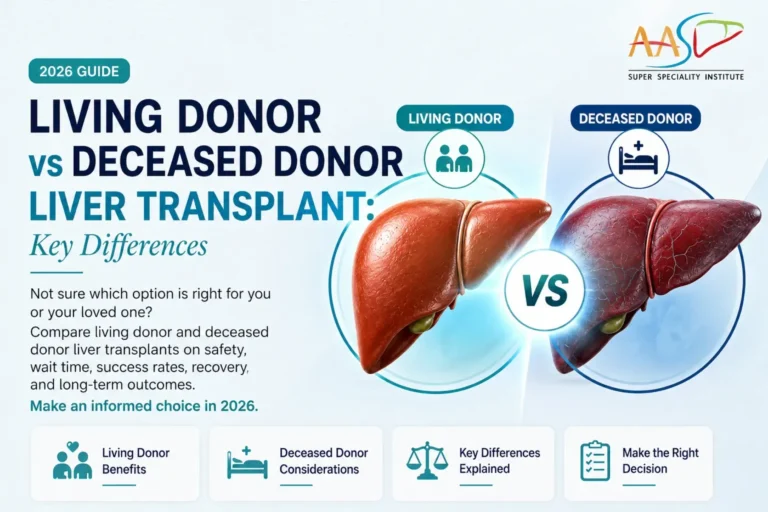
While many adults wait for a deceased donor organ, the waiting times can be long. We are increasingly championing living donor liver transplants. Because the liver has the unique ability to regenerate, a healthy adult (often a relative or altruistic friend) can donate a portion of their liver. Both the donor’s remnant liver and the recipient’s new portion grow to normal size within weeks. This option significantly reduces waiting times and often leads to excellent outcomes.
Pediatric Liver Transplantation: Little Bodies, Big Miracles
Performing a transplant on a child—sometimes an infant weighing only a few kilograms—requires a completely different skillset and mindset. It is not simply “adult surgery in miniature.”
The challenges in paediatric transplantation are unique:
- Technical Precision: The blood vessels in an infant are incredibly tiny, requiring microsurgical techniques and extreme precision.
- Size Matching: A small child cannot accept a full-sized adult liver. Historically, this caused high waitlist mortality for children. Today, we utilize innovative techniques to overcome this:
- Split Liver Transplants: A deceased adult donor liver is divided into two segments; the smaller segment is given to a child, and the larger to an adult, saving two lives with one organ.
- Reduced-Size Grafts: Tailoring a larger donor organ to fit the child’s abdomen.
- Family-Centered Care: When a child needs a transplant, the entire family is affected. Our pediatric approach is deeply multidisciplinary, involving pediatric hepatologists, dietitians, social workers, and child life specialists to support the family unit through the emotional upheaval.
Like adults, living donation is a vital option for children, with parents often serving as donors for their small children.
Life After Transplant: A New Normal
The surgery itself, which can take anywhere from 6 to 12 hours, is only the middle of the journey. The post-operative phase is critical.
Immediately following surgery, patients are monitored in the ICU. The body must learn to accept the new organ, which requires lifelong immunosuppressant medication to prevent rejection.
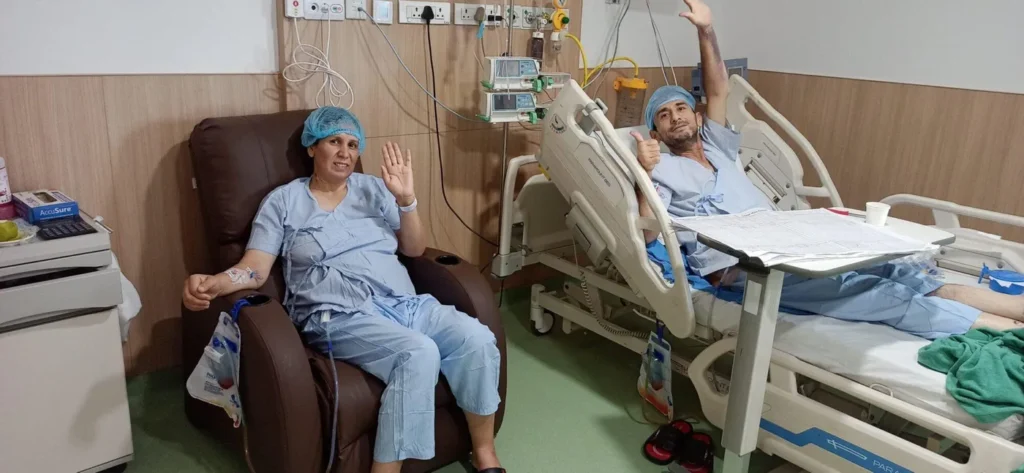
Recovery looks different for everyone. Adults often report a “fog lifting,” with renewed energy they haven’t felt in years. Children, freed from the burden of chronic illness, often experience catch-up growth and hit developmental milestones rapidly.
While post-transplant life requires diligence—adhering to medication schedules, frequent check-ups, and healthy lifestyle choices—the vast majority of our patients return to school, work, sports, and vibrant, normal lives.
Your Partner in the Journey
Facing a liver transplant is overwhelming, but you are not alone. Whether you are an adult fighting for your health or a parent fighting for your child’s future, you need a team that combines surgical excellence with deep compassion.
At AASLT, we are dedicated to providing that comprehensive care, guiding you from the initial evaluation through surgery and into a healthy future.
If you or a loved one is facing advanced liver disease, let’s discuss the possibilities. There is hope.