Key facts
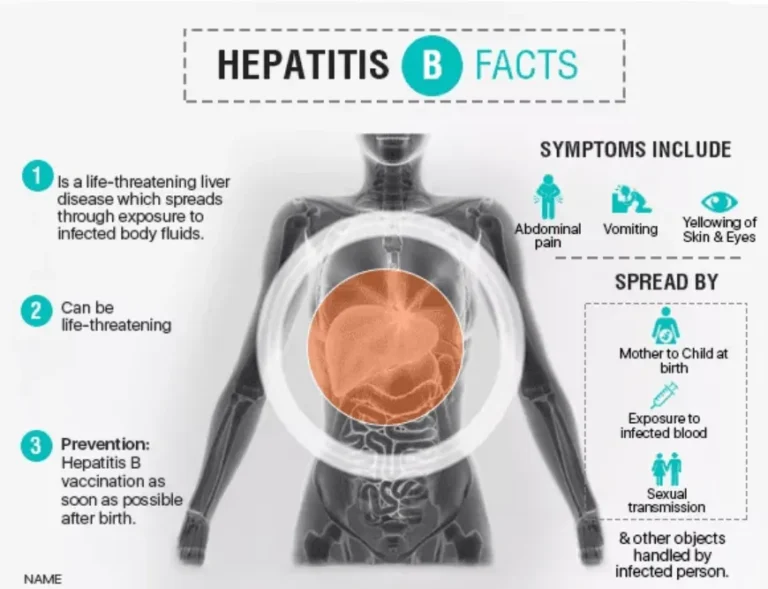
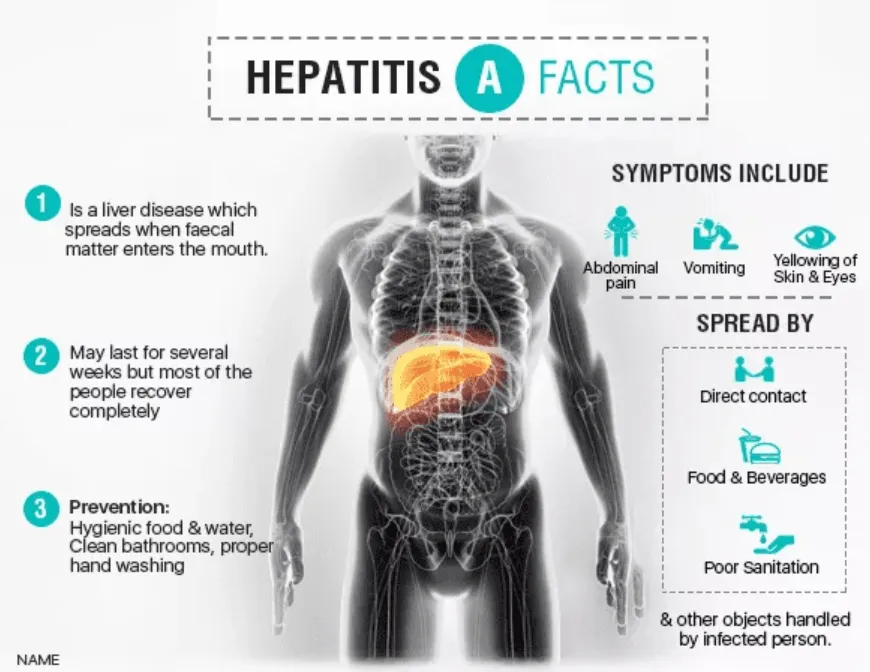
- Hepatitis A and E: Spread through contaminated food and water.
- Hepatitis C: Spread through blood.
- Autoimmune hepatitis: The immune system attacks the liver.
- Symptoms of hepatitis: Many people have no symptoms, especially with hepatitis B and C.
- How hepatitis is diagnosed: Hepatitis A and E: IgM antibody blood tests; Hepatitis B: HBsAg, then HBV DNA, HBeAg and liver tests to decide on treatment; Hepatitis C: anti-HCV antibody, confirmed with HCV RNA.
On this page
Hepatitis A and E
Spread through contaminated food and water. Usually short illnesses that settle with rest, but hepatitis E can be severe in pregnancy and occasionally causes acute liver failure.
Hepatitis B
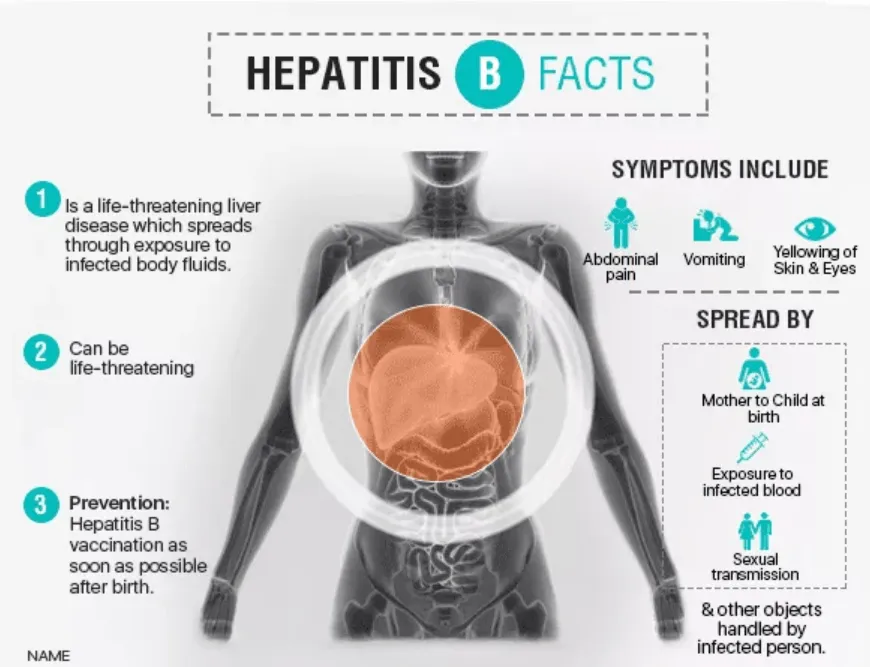
Spread through blood, unprotected sex and from mother to baby. Vaccination prevents it. Chronic infection is controlled with daily antiviral tablets.
Hepatitis C
Spread through blood. Modern tablets cure over 95% of patients in 12 weeks.
Autoimmune hepatitis
The immune system attacks the liver. It responds to steroids and other immune-suppressing medicines in most patients.
Hepatitis at a glance
| Type | How it spreads | Long-term? | Prevention |
|---|---|---|---|
| A | Contaminated food and water | No | Vaccine, safe water |
| B | Blood, sex, mother to baby | Can become chronic | Vaccine |
| C | Blood (unsafe injections, transfusions) | Often chronic | Safe injections; curable with tablets |
| E | Contaminated water | Rarely | Safe water and food hygiene |
| Autoimmune | Not infectious | Yes | None; early treatment |
Symptoms of hepatitis
Many people have no symptoms, especially with hepatitis B and C. When symptoms occur, they include tiredness, fever, nausea, loss of appetite, pain in the upper right abdomen, dark urine and yellow eyes or skin.
How hepatitis is diagnosed
- Hepatitis A and E: IgM antibody blood tests
- Hepatitis B: HBsAg, then HBV DNA, HBeAg and liver tests to decide on treatment
- Hepatitis C: anti-HCV antibody, confirmed with HCV RNA
- Autoimmune hepatitis: autoantibodies, IgG level and often a liver biopsy
- FibroScan to see whether scarring has started
When hepatitis leads to surgery
Untreated chronic hepatitis B and C can cause cirrhosis and liver cancer. Hepatitis B can cause liver cancer even without cirrhosis, so carriers need regular scans. Patients with liver failure or cancer may need a liver transplant; after transplant, antiviral medicines prevent the virus from returning.
Frequently asked questions
Should my family be tested for hepatitis B?
Yes. Household contacts should be tested and vaccinated if not immune.
What is the treatment for hepatitis A?
There is no specific medicine. Rest, fluids and a normal diet are enough for most people; avoid alcohol and unnecessary medicines until the liver recovers.
Can hepatitis B be cured?
Chronic hepatitis B is rarely cured completely, but daily antiviral tablets keep the virus suppressed and greatly reduce the risk of cirrhosis and cancer.
Is hepatitis C curable?
Yes. Modern direct-acting antiviral tablets cure over 95% of patients in 8–12 weeks.
Why is hepatitis E dangerous in pregnancy?
In the last three months of pregnancy, hepatitis E can cause acute liver failure. Pregnant women with jaundice need urgent care.
Can I get a liver transplant if I have hepatitis B?
Yes. Hepatitis B is a common reason for transplant, and medicines given after surgery prevent the virus from damaging the new liver.

Group Director – Liver Transplant, HPB, GI & Robotic Surgery, Yatharth Group of Hospitals. 18+ years in liver transplantation.
This page is for general information and is not a substitute for medical advice. Speak to the transplant team for a personal assessment.
Related articles
Hepatitis B in India: Transmission, Testing and Treatment Options
Read article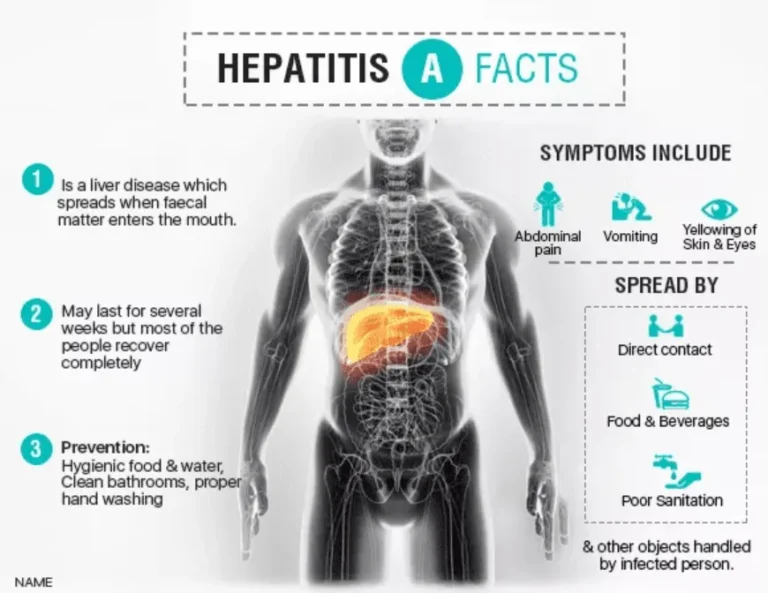
Targeting the Root Cause: The Difference Between Hepatitis A and B and How to Stop Them
Read article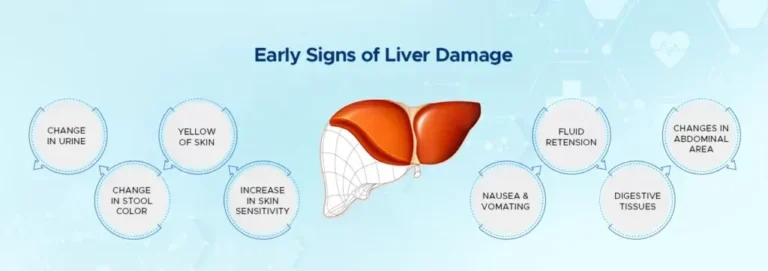
Autoimmune Hepatitis (AIH): Symptoms and Treatment
Read article