Key facts
- Benefits: Less pain and blood loss; Shorter hospital stay; Faster return to normal activity.
- Operations performed: Liver resection, donor hepatectomy (removing part of the donor’s liver for transplant), and selected pancreas, bile duct and gallbladder operations, on the da Vinci robotic system.
- Is it right for me? Suitability depends on tumour size and position, previous surgery and overall health.
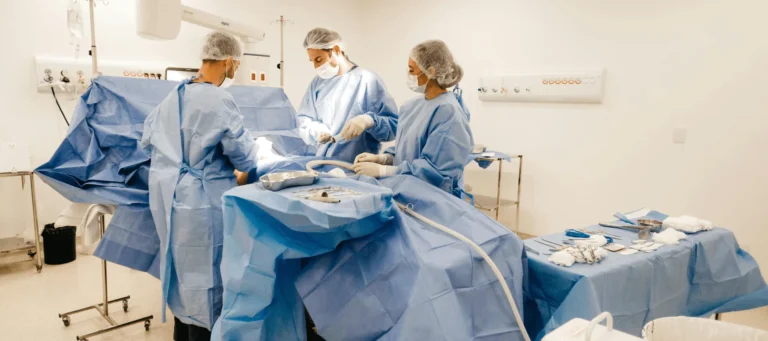
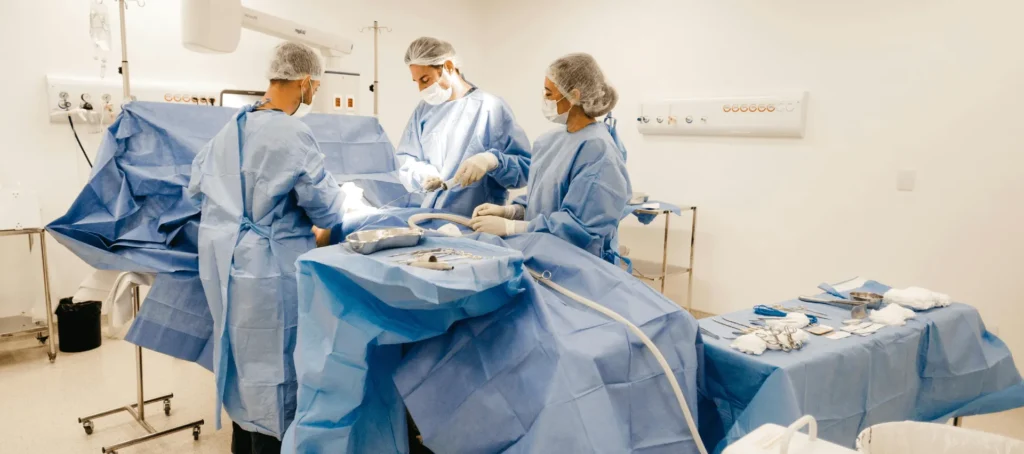
- How robotic surgery works: The surgeon sits at a console next to the patient and controls robotic arms that hold a 3D high-definition camera and fine instruments.
- Robotic donor hepatectomy: In selected living donors, robotic assistance allows the donor’s liver segment to be removed through smaller incisions, with less pain and a quicker return to normal life.
On this page
Benefits
- Less pain and blood loss
- Shorter hospital stay
- Faster return to normal activity
Operations performed
Liver resection, donor hepatectomy (removing part of the donor’s liver for transplant), and selected pancreas, bile duct and gallbladder operations, on the da Vinci robotic system.
Is it right for me?
Suitability depends on tumour size and position, previous surgery and overall health. The surgeon explains open, laparoscopic and robotic options.
How robotic surgery works
The surgeon sits at a console next to the patient and controls robotic arms that hold a 3D high-definition camera and fine instruments. The instruments bend like a wrist and filter out hand tremor, which allows precise work deep in the abdomen through small incisions. The surgeon controls every movement; the robot does not operate on its own.
Robotic, laparoscopic or open surgery?
| Open | Laparoscopic | Robotic | |
|---|---|---|---|
| Incision | One large | Several small | Several small |
| View | Direct | 2D or 3D screen | Magnified 3D |
| Instrument movement | Full | Limited (straight) | Wristed, tremor-free |
| Typical hospital stay | Longest | Shorter | Shorter |
| Best for | Very large or complex tumours | Gallbladder, simpler resections | Precise work in difficult positions |
Robotic donor hepatectomy
In selected living donors, robotic assistance allows the donor’s liver segment to be removed through smaller incisions, with less pain and a quicker return to normal life. Donor safety always decides the approach.
Frequently asked questions
Is robotic surgery safe?
Yes, in trained hands. Results for suitable operations are comparable to open surgery, with smaller incisions and faster recovery.
Does robotic surgery cost more?
Usually somewhat more than laparoscopic surgery, because of the equipment and instruments. The shorter stay can offset part of the difference.
Who performs the operation, the robot or the surgeon?
The surgeon. The robot translates the surgeon’s hand movements into precise instrument movements and cannot act on its own.
How soon can I go home after robotic liver surgery?
Often in 3–5 days, depending on the operation and recovery.
Is everyone suitable for robotic surgery?
No. Tumour size and position, previous surgery and overall health decide. The surgeon explains the options.

Group Director – Liver Transplant, HPB, GI & Robotic Surgery, Yatharth Group of Hospitals. 18+ years in liver transplantation.
This page is for general information and is not a substitute for medical advice. Speak to the transplant team for a personal assessment.