
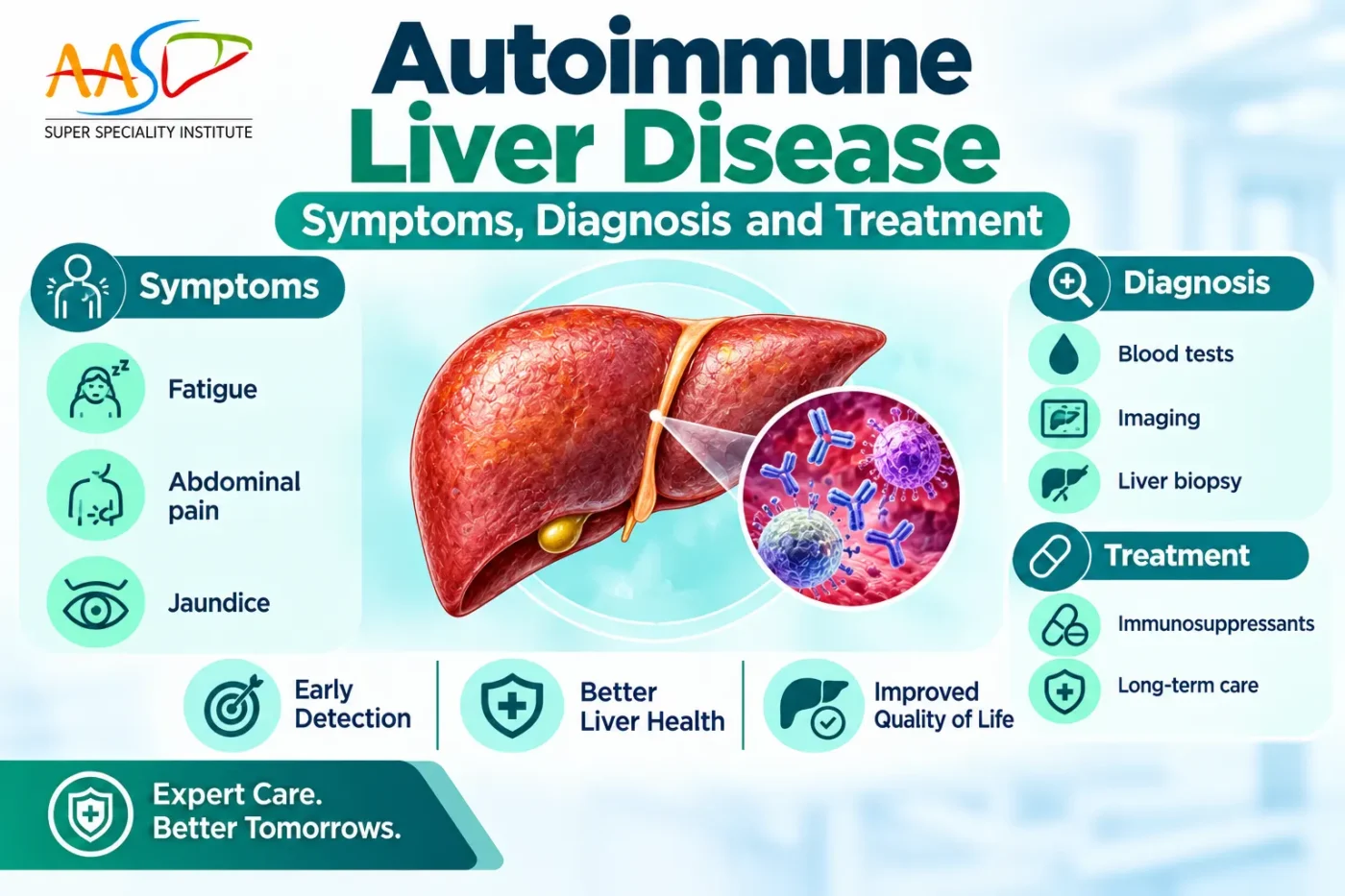
Not every liver problem comes from a virus, alcohol, or diet. A smaller but significant group of patients develop liver disease because their own immune system mistakenly attacks the liver or its bile ducts. These conditions are frequently misdiagnosed or missed for years, partly because the early symptoms — tiredness, mild discomfort, itching — are so easy to attribute to something else entirely.
The Three Main Types
Autoimmune liver disease isn’t a single condition — it covers three distinct diseases that share an immune-related cause but behave quite differently:
Autoimmune Hepatitis (AIH) — the immune system attacks liver cells directly, causing inflammation that, left untreated, can progress to cirrhosis. It can appear at almost any age and affects women more often than men.
Primary Biliary Cholangitis (PBC) — the immune system targets the small bile ducts within the liver, gradually damaging them and impairing bile flow. It progresses slowly, often over many years, and is also far more common in women, typically diagnosed in middle age.
Primary Sclerosing Cholangitis (PSC) — inflammation and scarring affect both the small and larger bile ducts, inside and outside the liver, eventually narrowing them. PSC has a notable association with inflammatory bowel disease, particularly ulcerative colitis, and is more common in men than the other two conditions.
Why These Get Missed So Often
The early symptoms across all three conditions tend to be frustratingly nonspecific:
- Persistent fatigue, often disproportionate to anything else going on
- Itching (pruritus), sometimes severe, particularly with PBC and PSC
- Mild discomfort in the upper right abdomen
- Joint pain, especially with autoimmune hepatitis
- Dry eyes and dry mouth, sometimes accompanying PBC
None of these scream “liver disease” the way jaundice or dramatic weight loss might. It’s common for patients to be told they’re simply tired, stressed, or dealing with a skin condition before anyone thinks to check liver function tests — sometimes for years.
How These Are Actually Diagnosed
Diagnosis usually combines several pieces of evidence rather than a single definitive test:
- Liver function blood tests, which often show a specific pattern depending on which condition is suspected
- Specific antibody blood tests — ANA and anti-smooth muscle antibodies for autoimmune hepatitis, anti-mitochondrial antibodies (AMA) for PBC
- Imaging, particularly MRCP for PSC, which can show characteristic narrowing of the bile ducts
- Liver biopsy, which remains important for confirming autoimmune hepatitis specifically and assessing the degree of existing liver damage across all three conditions
Because these conditions can overlap with each other, and occasionally with viral or fatty liver disease, getting the diagnosis right sometimes takes a more thorough workup than a single blood test panel.
Treatment: What Actually Works for Each
Autoimmune Hepatitis generally responds well to immunosuppressive treatment — typically corticosteroids to bring the initial inflammation under control, followed by a longer-term steroid-sparing medication like azathioprine to maintain remission. Many patients achieve good long-term control with treatment, though it’s usually a long-term commitment rather than a short course.
Primary Biliary Cholangitis is treated with ursodeoxycholic acid (UDCA), which helps bile flow more effectively and has been shown to slow disease progression significantly when started early. For patients who don’t respond adequately to UDCA alone, additional medications are increasingly available.
Primary Sclerosing Cholangitis doesn’t currently have a medication proven to reliably slow its progression the way UDCA does for PBC, which makes PSC management more focused on treating complications as they arise — managing bile duct narrowing endoscopically when needed, monitoring closely for bile duct cancer (a recognised long-term risk with PSC), and managing any associated inflammatory bowel disease.
When These Conditions Progress to Needing a Transplant
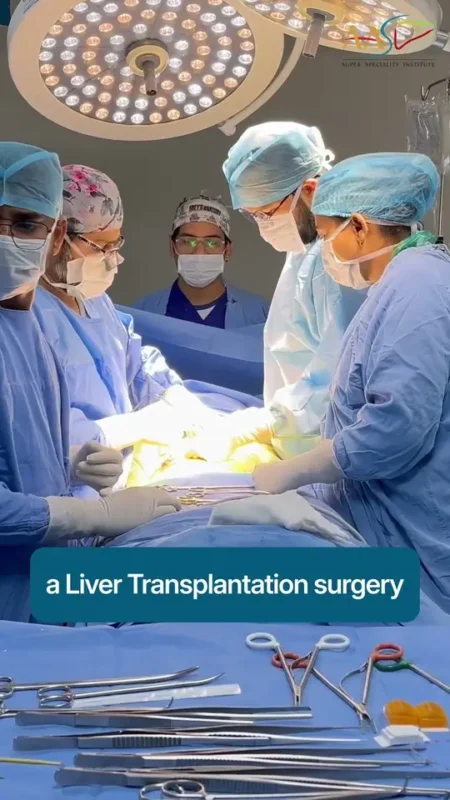
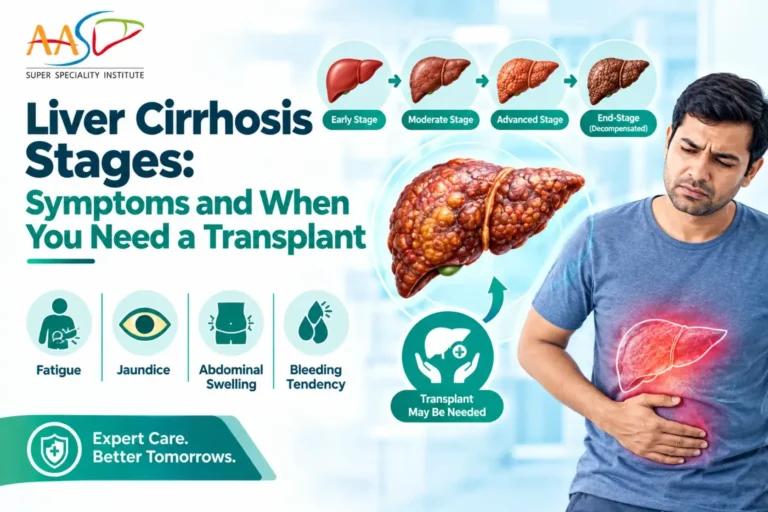
All three of these conditions can, over years, progress to cirrhosis if inadequately controlled or in cases that don’t respond well to available treatment. When that happens, the same evaluation pathway applies as for any other cause of advanced liver disease — you can read more on our liver diseases page about how progression to cirrhosis is managed, and about liver transplant evaluation for patients whose liver function has declined significantly. Notably, autoimmune liver diseases are among the conditions where liver transplant outcomes tend to be particularly favourable, since the underlying disease doesn’t affect the transplanted organ the same way a chronic viral infection might.
Dr. Vishal Kumar Chorasiya’s practice at AASLT covers this full spectrum — from an initial autoimmune liver disease diagnosis, through long-term hepatology management, to transplant surgery if the disease progresses despite treatment. Having that continuity means patients aren’t handed off between separate teams as their condition changes over time.
A Note on Living With a Chronic Autoimmune Condition
Unlike viral hepatitis, these conditions generally require ongoing, often lifelong management rather than a defined treatment course with an endpoint. Regular monitoring — blood tests, periodic imaging, and for PSC in particular, cancer surveillance — becomes part of long-term care, even during periods when the disease is well controlled and symptoms are minimal.
According to Mayo Clinic, most people with autoimmune hepatitis respond well to standard treatment, and early diagnosis significantly improves long-term outcomes. The American Liver Foundation similarly notes that while these are chronic, lifelong conditions, consistent treatment and monitoring allow the majority of patients to lead full, active lives.
Why “It Runs in the Family” Doesn’t Mean What People Assume
A common source of anxiety once someone is diagnosed is worrying that their children or siblings are automatically at risk. The genetics here are more nuanced than a simple inherited disease. What tends to run in families is a broader susceptibility to autoimmune conditions in general, not a guarantee of developing this specific liver disease. It’s not unusual for a patient with autoimmune hepatitis to have a close relative with an entirely different autoimmune condition, like thyroid disease or type 1 diabetes, rather than the same liver disease. This is worth knowing both to manage anxiety appropriately and to mention to your doctor, since a family history of any autoimmune condition is relevant context even when it isn’t the identical diagnosis.
What Long-Term Follow-Up Actually Involves
Because these are lifelong conditions rather than illnesses with a defined endpoint, long-term monitoring becomes a normal part of life rather than a temporary phase. For autoimmune hepatitis in remission, this typically means periodic blood tests to confirm the disease remains controlled and to monitor for medication side effects, since long-term immunosuppressive treatment needs its own oversight. For PBC and PSC, monitoring additionally tracks bile duct health over time, and for PSC specifically, includes periodic screening for bile duct cancer given the elevated risk associated with the condition. None of this needs to be a source of ongoing worry once a routine is established — most patients settle into a manageable rhythm of appointments that becomes a normal part of life rather than a constant preoccupation.
Frequently Asked Questions
Can autoimmune liver disease be cured?
Not in the sense of being permanently eliminated, but autoimmune hepatitis can often be brought into long-term remission with treatment, and PBC’s progression can be significantly slowed with UDCA — both amounting to effective, long-term control for most patients.
Is autoimmune liver disease genetic?
There’s a genetic predisposition component, and these conditions can run in families, but having a family member with one doesn’t guarantee you’ll develop it — environmental and immune factors also play a role.
Can these conditions be managed without medication?
No. Untreated, autoimmune hepatitis in particular can progress to cirrhosis relatively quickly. Consistent, prescribed medical treatment is central to managing all three of these conditions effectively.
If you’ve had unexplained fatigue, itching, or abnormal liver tests without a clear cause, book a consultation or read more about our approach to liver disease care.