Liver Diseases

Why do we need Liver Protection ?

Daily life overloads the liver leading to poor health and disease.

Liver is the largest gland in the human body, which is responsible for hundreds of critical functions to keep the body free from toxins and harmful substances. Besides fighting infections and illnesses, liver is responsible for removing toxins, such as alcohol, from the body and controls cholesterol levels. It produces a special liquid, known as bile, which helps break down fat and boosts digestion. Liver also helps your body fight infections by removing bacteria from the blood. Liver is the only organ in the body that can easily replace damaged cells, but if excessive cells are lost, the liver may not be able to function properly, giving rise to various Liver diseases. Liver can be damaged in many ways, and may or may not show any early symptoms:

  • Inflammation of Cells, giving rise to Hepatitis
  • Obstruction in the production of Bile, causing diseases such as Cholestasis
  • Accumulation of Cholesterol or Triglycerides, causing Steatosis
  • Hindrance in the flow of blood to the liver, where the liver breaks down the blood and creates necessary nutrients for the body.
  • Liver tissue damage due to harmful chemicals, drugs & medications
  • Infiltration of abnormal cells, such as Cancer Cells
What is Hepatitis A?

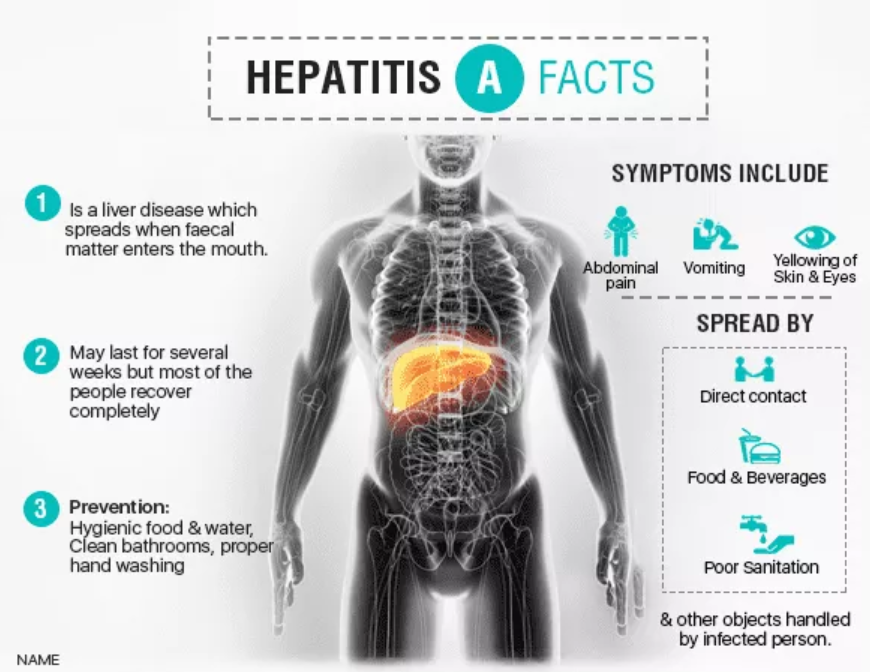
Hepatitis A is one of the most common infections of the liver, caused by the hepatitis A virus (HAV). It mainly affects the age group 1-14 years and is often asymptomatic. However, the severity increases with the growing age. This virus is transmitted through contaminated water & food via the feco-oral route. It can spread through poor sanitation or close contact with another infected person.

What are the Symptoms of Hepatitis A?

  • Fatigue, Nausea & Vomiting
  • Pain or discomfort in the Abdomen, especially in the right area beneath the Lower Ribs
  • Clay-colored Bowel Movements
  • Loss of Appetite
  • Low-grade fever & Joint Pain
  • Dark Urine
  • Yellowing of the Skin and Eyes (jaundice).

How is Hepatitis A diagnosed?

Hepatitis A can be detected by observing typical symptoms. Doctors can detect if you are infected with the hepatitis A virus by a simple blood test. Our body develops an antibody, IgM Anti HAV (Elisa), against the virus which becomes positive within weeks and is the choice of investigation. Book your appointment with one of the top liver surgeons in India, Dr. Vivek Vij

What is the treatment?

The particles of Hepatitis A virus shed in the stool (faeces) for 5 days, which is practically diagnosable. Treatment is always symptomatic but requires hospitalization whenever a patient is facing recurrent symptoms such as nausea, dehydration, prolonged jaundice, encephalopathy, and/or coagulopathy. In cases of Fulminant Hepatic failure due to hepatitis A, liver transplantation is required.

What is Hepatitis E?

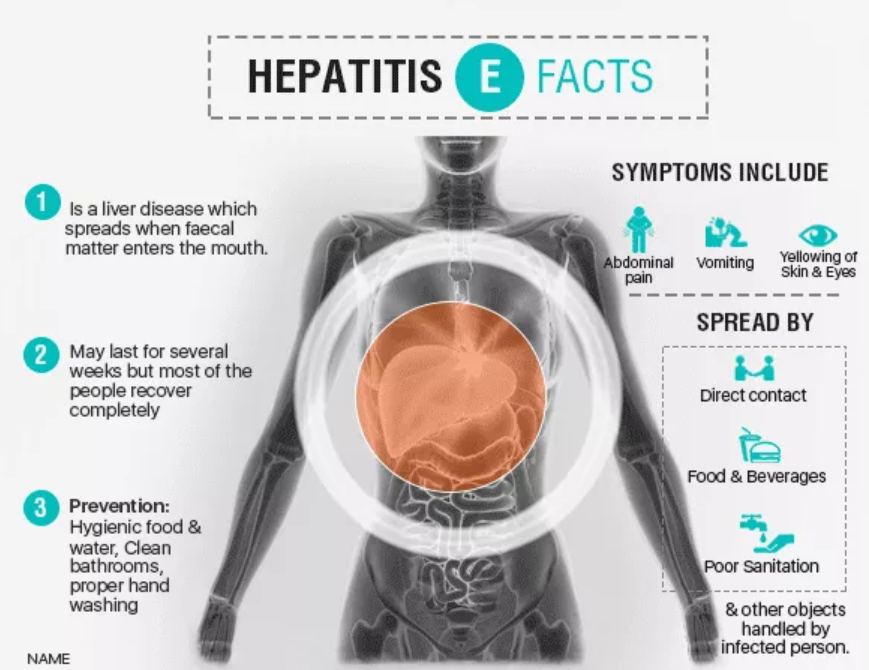
Hepatitis E is one of the most common infections of the liver, caused by the hepatitis E virus (HEV). It mainly affects the young and middle age group and is often asymptomatic. However, the mortality rate is as high as 15-20% in pregnant females. The severity of this infection increases with the growing age. This virus is also transmitted through contaminated water & poor living standards via the feco-oral route. It can spread through close contact with another infected person. The prevalence of Hepatitis E is highest in East and South Asia.

What are the Symptoms of Hepatitis E?

  • Fatigue, Nausea & vomiting
  • Pain or discomfort in the abdomen, especially in the right area beneath the lower ribs
  • Loss of appetite
  • Mild fever
  • Dark urine & pale stools
  • Joint pain
  • Yellowing of the skin and eyes (jaundice).

How is Hepatitis E diagnosed?

Hepatitis E can be detected by observing typical symptoms. Doctors can detect if you are infected with the Hepatitis E virus by a simple blood test. Our body develops IgM & and IgG Anti HEV antibodies against the virus. IgM anti-HEV antibodies can be detected during the initial months of HEV infection; however, IgG anti-HEV antibodies represent either recent or remote exposure. Book your appointment with Dr. Vishal, one of the best liver surgeons in India.

What is the treatment?

The treatment is always symptomatic and patients are often advised to rest, get adequate nutrition and avoid any medications or drugs that can damage the liver. However, hospitalization is recommended whenever a patient is facing recurrent symptoms such as nausea, dehydration, prolonged jaundice, encephalopathy, and/or coagulopathy. In cases of Fulminant Hepatic failure due to hepatitis E, liver transplantation may be required.

What is Hepatitis B ?

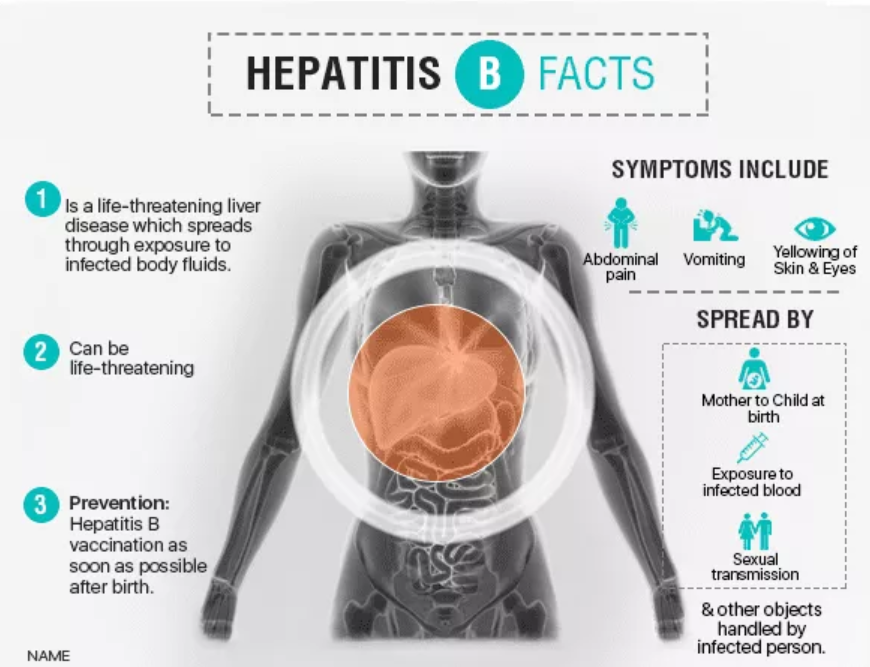
Over 350 million people in the world are infected with Hepatitis B, out of which 47 million alone are in India. Hepatitis B is a critical (life-threatening) liver infection caused by hepatitis B virus (HBV). It can give rise to other liver-related severe infections & put infected people at high risk of mortality from cirrhosis and liver cancer. This virus mainly spreads from exposure to infected body fluids, such as blood and semen. The virus can also spread from mother to the infant during birth (perinatal transmission) or through sexual transmission, particularly in unvaccinated men who have intercourse with multiple partners.

What are the Symptoms of Hepatitis B ?

  • Fatigue, Nausea & Vomiting
  • Pain or discomfort in Abdomen, especially in the right area beneath lower ribs
  • Clay-colored Bowel movements
  • Loss of Appetite
  • Dark Urine
  • Yellowing of the skin and Eyes (Jaundice).

How is Hepatitis B diagnosed?

Although Hepatitis B cannot be differentiated from other Hepatitis virus clinically, a number of blood tests are available to diagnose & distinguish acute and chronic Hepatitis B infections.

  • Acute Hepatitis B infection: Characterized by the presence of HBsAg and IgM antibody to the core antigen, HBcAg. The presence of Hepatitis Be antigen (HBeAg) suggests that whether or not, the blood and other body fluids of the patient are contagious.
  • Chronic Hepatitis B infection: Characterized by the presence of HBsAg for at least 6 months (with or without HBeAg). The presence of HBsAg suggests the risk for developing chronic liver disease and liver cancer.

What is the treatment?

Chronic Hepatitis B infection can be treated by reducing HBV DNA level and maintain it at lowest possible levels for histological improvement and ALT/AST normalisation drugs. Those with chronic infection can be treated with drugs, including oral antiviral agents. Drugs preferred for treatment are peggylated interferons and oral antivirals like lamivudine, adefovir, tenofovir and entecavir. This Treatment can slow the progression of cirrhosis, reduce incidence of liver cancer and improve long term survival.

What is Hepatitis C?

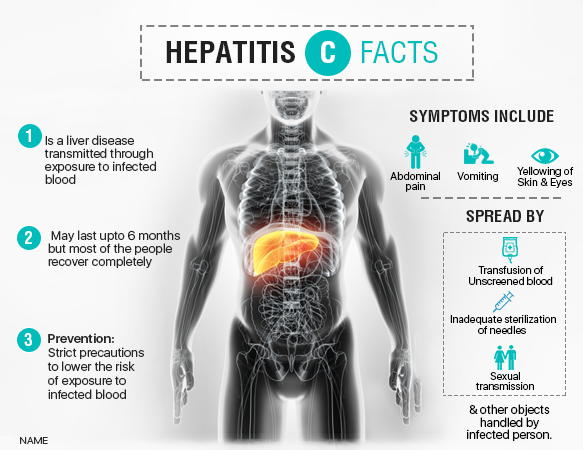
Hepatitis C is a type of liver disease caused by Hepatitis C virus (HCV). The infection can be both acute and chronic and the severity can range from mild Illness to critical lifelong Ailment. In critical cases, the virus can give rise to other liver-related severe infections such as liver cirrhosis and liver cancer. This virus mainly spreads from exposure to infected blood and blood products via use of infected or unsterilized injections and other medical equipments, the transfusion of unscreened blood and blood products, from mother to the infant during birth (perinatal transmission) or through sexual transmission. However, the virus cannot spread through direct content, contaminated food or water.

What are the Symptoms of Hepatitis C?

  • Hepatitis C is usually asymptomatic during the initial phase. However, acute hepatitis C can show following symptoms:

    • Fatigue, Nausea & Vomiting
    • Pain or discomfort in Abdomen, especially in the right area beneath lower ribs
    • Grey-Colored stool
    • Loss of Appetite
    • Dark Urine
    • Jaundice – appears in only 20-30% of the infected population

How is Hepatitis C diagnosed?

For those suffering from Chronic Hepatitis C, a number of Serological tests are available to diagnose the severity of damage. The Serological Test screens for the presence of Anti-HCV antibodies. If the test is positive, further tests are done to detect HCV RNA in blood. In the cases of Chronic Hepatitis C, it is important to get the severity of the liver damage diagnosed. The degree of damage together with Virus Genotype is the deciding factor for further treatments.

What is the treatment?

The treatment is always symptomatic and patients are advised to avoid alcohol or drugs that can further damage the liver. However, hospitalization is recommended if the infection gets chronic. Latest treatments include anti-viral drugs (DAA) which can cure most of the cases of HCV infection as the treatment is shorter (usually 12 weeks) and safer. In cases of cirrhosis with or without superimposed liver cancer , liver transplantation may be required.

What is CLD Cirrhosis?

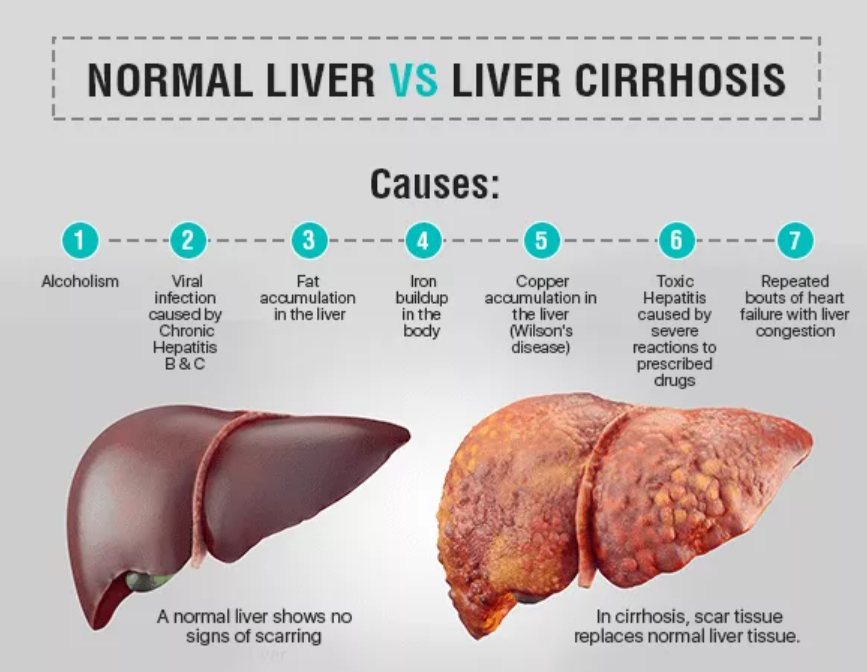
Cirrhosis is a liver condition caused from permanent damage or scarring of the liver. The damage can be caused by various reasons such as hepatitis, chronic Alcoholism, Fat Accumulation, etc. This scarring blocks the flow of blood through the liver making it difficult for the liver to function. Seeking timely medical care at the best hospital for liver cirrhosis in India can significantly improve long-term outcomes.

What are the Symptoms of CLD Cirrhosis?

  • Fatigue, Nausea & Weakness
  • Loss of Appetite
  • Weight loss
  • Fluid Accumulation in your Abdomen
  • Yellow Discoloration in the Skin and Eyes (Jaundice)
  • Easy Bruising & Bleeding
  • Redness in hand palms
  • Chest Enlargement in men

How is Cirrhosis diagnosed?

Although early stages of liver cirrhosis are asymptomatic, if you experience any of the above symptoms, you can get your routine blood test done. Following laboratory tests can infer any problems with your liver:

  • Blood Tests for hepatitis B and C
  • Tests for international normalized ratio (INR) for blood clotting
  • Magnetic resonance elastography or transient elastography to detect any stiffening of the liver
  • MRI, CT and ultrasound of the liver
  • Liver biopsy

What is the treatment?

The treatment depends on the cause and extent of damage to your liver. The sole purpose of the treatment is to slow the progression of scar tissue in the liver. Hospitalization may be required in cases of severe liver damage. For early stages, doctors try to minimize the damage by treating the responsible factors such as treatment for alcohol abuse, weight loss, medications to control hepatitis and other symptoms. However, in advanced cases of cirrhosis, liver transplantation is required. Book your appointment with one of the top liver surgeons in India, Dr. Vishal — widely recognized as the best doctor for liver cirrhosis in India.

What is Liver Cancer ?

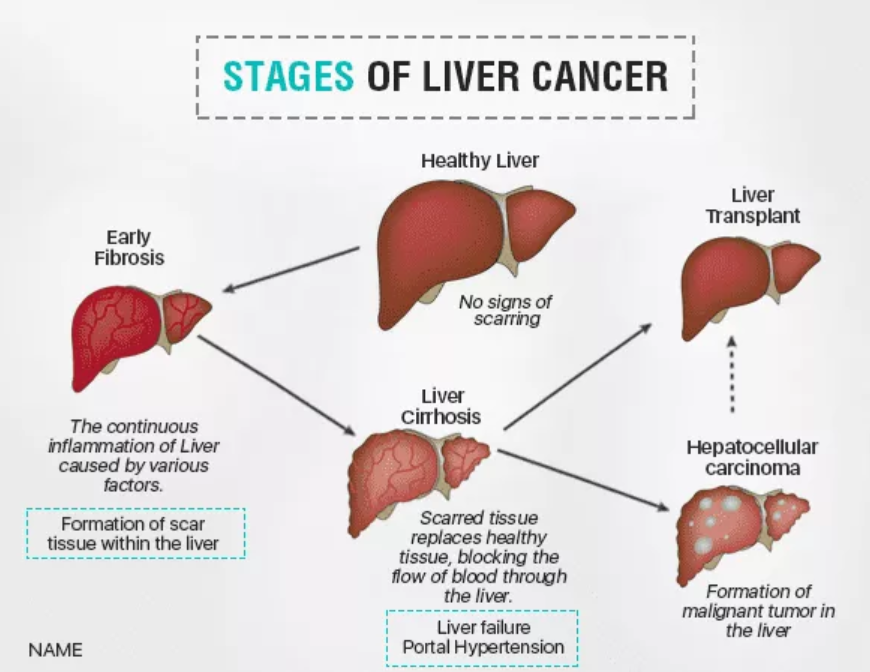
Liver cancer (also known as hepatocellular carcinoma) is one of the most occurring cancers in the world. Over ninety percent of these cancers develop in liver and are fatal in nature. It is important to get the tumor diagnosed and treated in Time as it can rapidly progress to death. Caused by various factors such as chronic viral hepatitis B and C , prevailing liver CirrhosisAlcoholic liver Diseases, Alfatoxins, anabolic Steroids, Hemochromatosis, Oral Contraceptive pills etc., these Cancer Cells can also spread to other parts of the liver as well as to the organs outside liver.

What are the Symptoms of Liver Cancer ?

  • Critical Pain in the right/upper side of the abdomen
  • Loss of Appetite (no feeling of hunger)
  • Unexplained Weight loss
  • Wasting (cachexia)
  • Swelling in Feet, legs and abdomen
  • Fluid Accumulation in Abdomen (Ascites)
  • Yellowing of the Eyes and Skin (Jaundice).

How is Liver Cancer diagnosed ?

Medical examination is required to confirm the growth of tumor in liver. Your doctors will advice you a blood test to check for the elevated levels of alfa-fetoprotein (AFP) or des-gamma-carboxy prothrombin. CT scan (Triple phase) and MRI is required for complete tumor analysis and for spotting the location to the cancer. If necessary, Liver biopsy may be performed to confirm the presence of liver cancer.

What is the treatment?

The treatment depends upon the location, size and stage of tumor. The available treatment options are local ablation (with ethanol or radiofrequency) to kill cancer cells in the liver without any surgery and liver surgery (tumor removal). For patients with advanced cirrhosis and non-removable tumors, liver transplantation and chemo & radiotherapy is required. Book your appointment with Dr. Vishal, one of the best liver surgeons in India.

What is Alcoholic Liver Disease?

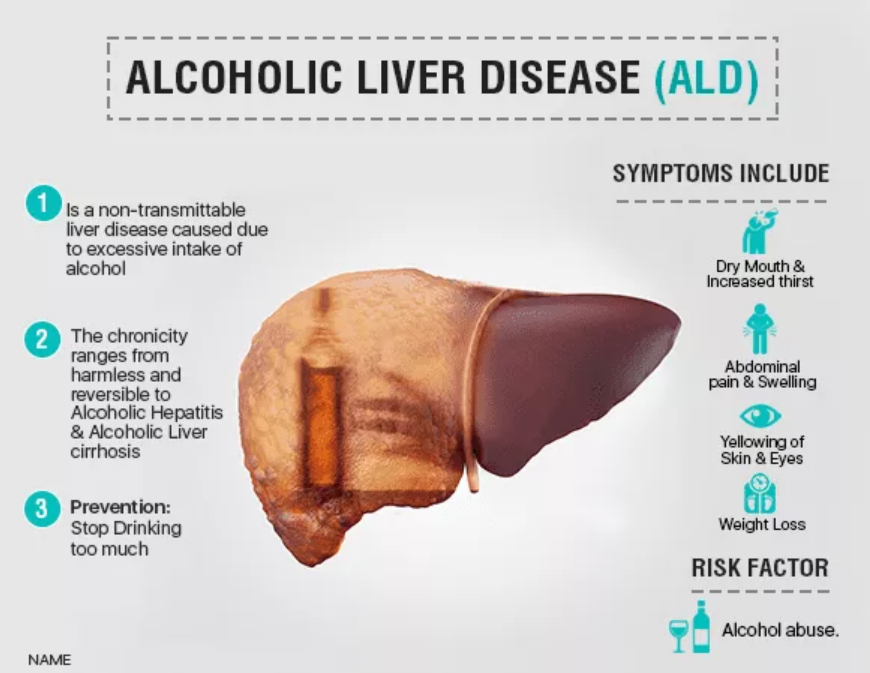
Alcoholic Liver Disease (ALD) is a condition caused due to excessive intake of Alcohol. In such cases, liver fails to produce proteins or filter Toxins out of the blood due to scarred liver tissues. The onset of this condition is characterized by a fatty liver, which later progress to alcoholic Hepatitis, and finally into Alcoholic Cirrhosis.

What are the Symptoms of Alcoholic Liver Disease ?

Early symptoms include Fatigue, loss of Energy, loss of Appetite, weight loss, Nausea, pain in abdomen, Redness on the Palms etc. However, as the condition worsens, symptoms may include:

    • Building up of fluids in the Abdomen (Ascites)
    • Yellowing of the Skin or Eyes (Jaundice)
    • Spider-like appearance of Blood vessels on the skin
    • Chest Swelling and Shrinking of the Testicles (in men)
    • Easy Bruising and Bleeding
    • Pale Stool

How is ALD diagnosed ?

The severity of ALD is measured using Maddrey Index and ranges from relatively harmless and treatable fatty liver disease to alcoholic hepatitis to alcoholic liver cirrhosis. Medical examination is required for those with a history of drinking problems and the diagnosis can show enlargement of liver, portal hypertension, development of fluid in the abdomen, high blood sugar levels, modest elevation of liver enzymes etc.

What is the treatment?

In severe cases of ALD, the mortality rate 50% within 30 days of onset. Maddery Index is used to predict prognosis using the formula: [4.6 x (PT test – control)] + S. Bilirubin in mg/dl. If the score is >32, it implies a poor prognosis and the patient has to be considered for steroid (Glucocorticoid) treatment. Other drugs used in such cases are pantoxiphylline, propylthiouracil, etc. Once alcoholic cirrhosis reaches the final stage, a liver transplant may be needed. Book your appointment with one of the best Liver transplant surgeons in IndiaDr. Vivek Vij.

Symptoms of Liver Diseases in Children

The symptoms of liver disease vary greatly between individuals. Although adults can watch out for themselves, it is important to keep a close watch on children for any signs of liver problems. The symptoms may include Itching of skin: Children might itch their skin very often due to excessive build-up of bile in the body.

Loss of appetite: This is another symptom of liver disease, which leads to inadequate supply of Nutrients to the body, causing Malnutrition.

Pale stool: If you notice pale stool, this can be an indication that the liver is not making adequate Bilirubin (a pigment responsible for the color of stool).

Easy bleeding/bruising: Easy Bruising is a symptom of deficiency of Vitamin K. You might notice this symptom if the liver is not able to utilize Vitamin K.

Bone fractures: Bone fractures can occur if a child is suffering from any liver disease. Although there can be other reasons, but Liver Ailment also leads to decreased thickness of Bones (bone density).

When to consult a doctor?

If you notice any of the below symptoms, consult a Liver specialist immediately:

  • Yellowing of the Skin and whites of the eyes (Jaundice)
  • Dark Urine or light-colored stool (Indication of excessive buildup of bilirubin)
  • Abdominal Pain
  • Fever
  • Swelling in the Abdomen (An indication of enlarged liver or spleen or ascites

Liver Diseases Treatment

When to seek medical care for liver disease ?

Usually, the onset of any liver disease is slow and asymptomatic. However, any unexplained symptoms such as extreme fatigue, weakness, yellowing of skin or eyes, persistent fever, sudden weight loss and abdominal pain should not be overlooked and you must visit an expert Gastroenterologist for medical evaluation.

Besides, overdose of Acetaminophen or Tylenol can also cause acute liver failure and hence, requires urgent diagnosis and treatment.

How is liver disease diagnosed ?

The diagnosis of liver disease requires a history of the patient together with physical examination. Other diagnostic tests may be advised depending on the symptoms and the risk factors for liver disease. Those with a history of alcohol abuse are advised to minimize alcohol consumption and are recommended various tests for detecting alcoholic cirrhosis or hepatocellular carcinoma. Some blood tests helpful for assessing liver inflammation and function include:

  • Test for AST and ALT (transaminase chemicals released with liver cell inflammation);
  • Test for GGT and alkaline phosphatase (chemicals released by cells lining the bile ducts)
  • Bilirubin
  • Test to check the levels of protein and albumin
  • Test to check the levels of protein and albumin
  • Tests to monitor INR blood clotting as it may be impaired due to poor protein production
  • lipase to check for pancreas inflammation
  • Tests to check Ammonia blood level in patients with mental confusion. It is helpful in determining whether or not liver failure is a potential cause.
  • Other imaging tests such as CT scan, MRI and ultrasound
  • Liver biopsy ( to confirm a specific diagnosis of liver disease)

What is the treatment for liver disease?

Every liver disease has its own specific treatment regimen. For instance:

  • In case of hepatitis A, patient requires extensive care to maintain hydration while the immune system fights and kill the infection.
  • In cases of cirrhosis and end-stage liver disease, medications may be required to control the intake of protein through low sodium diet and diuretics.
  • Those with large amounts of fluid accumulated in abdomen, it is necessary to remove excess fluid through paracentesis.
  • Operations may be required to treat portal hypertension and minimize the risk of bleeding.

For severe cases of liver damage, Liver transplantation is the final option.