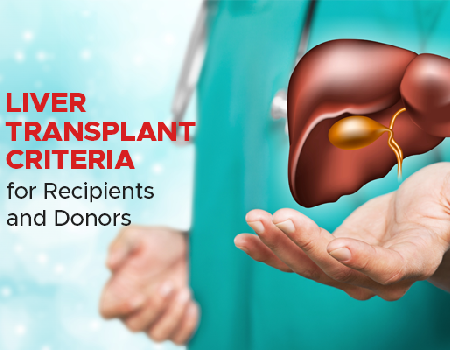

What Is a Liver Transplant?
The liver, a critically important and highly adaptive organ, possesses a remarkable capacity for regeneration. However, in cases of severe, end-stage hepatic disease or sudden, acute liver failure, this vital function is irreversibly compromised. When medical intervention can no longer sustain life, orthotopic liver transplantation (OLT) represents the definitive therapeutic option, providing a comprehensive restoration of physiological function.
Indications for Transplantation
A liver transplant is indicated when a patient’s prognosis is deemed superior with a transplanted organ compared to continued medical management. The principal conditions necessitating OLT include:
- Decompensated Liver Cirrhosis: Most commonly arising from chronic viral hepatitis (B or C), alcoholic liver disease, or Non-Alcoholic Steatohepatitis (NASH). This state reflects a failure of the liver to perform its essential metabolic and synthetic functions.
- Acute Fulminant Hepatic Failure: A rapid and severe decline in liver function, often due to drug-induced injury or specific viral infections, necessitating immediate intervention.
- Hepatocellular Carcinoma (HCC): Transplantation is considered for early-stage HCC confined to the liver, adhering to established criteria (e.g., Milan criteria).
- Cholestatic Diseases: Including Primary Sclerosing Cholangitis (PSC) and Primary Biliary Cholangitis (PBC).
- Pediatric Indications: Conditions such as Biliary Atresia are the most frequent cause of transplantation in children.
The Transplant Process: A Meticulous Journey
The path to transplantation is characterized by rigorous assessment and careful management:
- Candidate Evaluation: Potential recipients undergo comprehensive medical, surgical, and psychosocial evaluations. This meticulous process ensures the patient is physically robust enough for the surgery and fully committed to the demanding, lifelong post-transplant regimen.
- Listing and Prioritization: Eligible candidates are placed on a national waiting list. Allocation is governed by the Model for End-Stage Liver Disease (MELD) score, which objectively quantifies the urgency based on risk of mortality while waiting.
- Procurement and Surgery: Upon the availability of a suitable donor organ (matched by blood type and size), the recipient is urgently mobilized for the surgery. The procedure involves the removal of the native, diseased liver and the implantation of the donor organ, meticulously connecting the major blood vessels and bile ducts.
Donor Options: The Gift of Life
The scarcity of deceased donor organs underscores the critical need for organ donation awareness and the viability of alternative options:
- Deceased Donor Transplantation: The majority of procedures utilize organs from deceased donors who have been declared brain dead.
- Living Donor Liver Transplantation (LDLT): A segment of a healthy donor’s liver (typically the right lobe) is surgically removed and transplanted into the recipient. The remarkable regenerative capacity of the liver allows both the donor’s residual liver and the recipient’s transplanted segment to regrow to near-full volume within weeks. LDLT offers the advantage of a planned surgery and a reduced waiting time.
Post-Transplant Management and Outcome
Following transplantation, the focus shifts to preventing allograft rejection and managing potential complications. Immunosuppressive therapy is the cornerstone of post-transplant care, requiring strict lifelong adherence to prevent the recipient’s immune system from attacking the new organ.
While challenging, a successful liver transplant is profoundly life-altering. It resolves the debilitating symptoms of end-stage disease, allowing individuals to resume a productive and fulfilling life. The procedure is a pinnacle of surgical science and a powerful demonstration of human altruism, offering a truly new beginning for those facing terminal liver illness.