
The word “hepatitis” simply means inflammation of the liver. However, when we talk about viral hepatitis, we are talking about highly specific viruses—and two of the most common, Hepatitis A (HAV) and Hepatitis B (HBV), pose dramatically different threats to your health.
Understanding these differences is the first step toward effective liver disease prevention. The good news is that for both HAV and HBV, we have the ultimate root-cause treatment: vaccination.
The Acute Threat: Hepatitis A (HAV)
Hepatitis A is often referred to as the “short-term” or “traveler’s” hepatitis. While it can make you severely ill, it typically does not lead to long-term chronic disease.
How it Spreads: The Fecal-Oral Route
HAV is highly contagious and spreads primarily through contact with food or water contaminated with the virus, often due to poor sanitation or hygiene.
- Contaminated Food/Water: Eating food prepared by an infected person who didn’t wash their hands, or drinking contaminated water.
- Close Contact: Close personal or household contact with an infected person.
How it Affects the Liver: Acute Illness
When you contract Hepatitis A, the virus causes a sudden, acute inflammation of the liver.
- Symptoms: Symptoms can include fatigue, nausea, vomiting, abdominal pain, fever, and jaundice (yellowing of the skin and eyes).
- Outcome: Most people recover completely within a few weeks to six months, developing lifelong immunity. Hepatitis A does not cause chronic liver disease or cirrhosis.
- The Danger: The main risk is to people who already have chronic liver disease (from other causes like alcohol or Hepatitis C). For them, an HAV infection can trigger life-threatening acute liver failure.
The Chronic Threat: Hepatitis B (HBV)
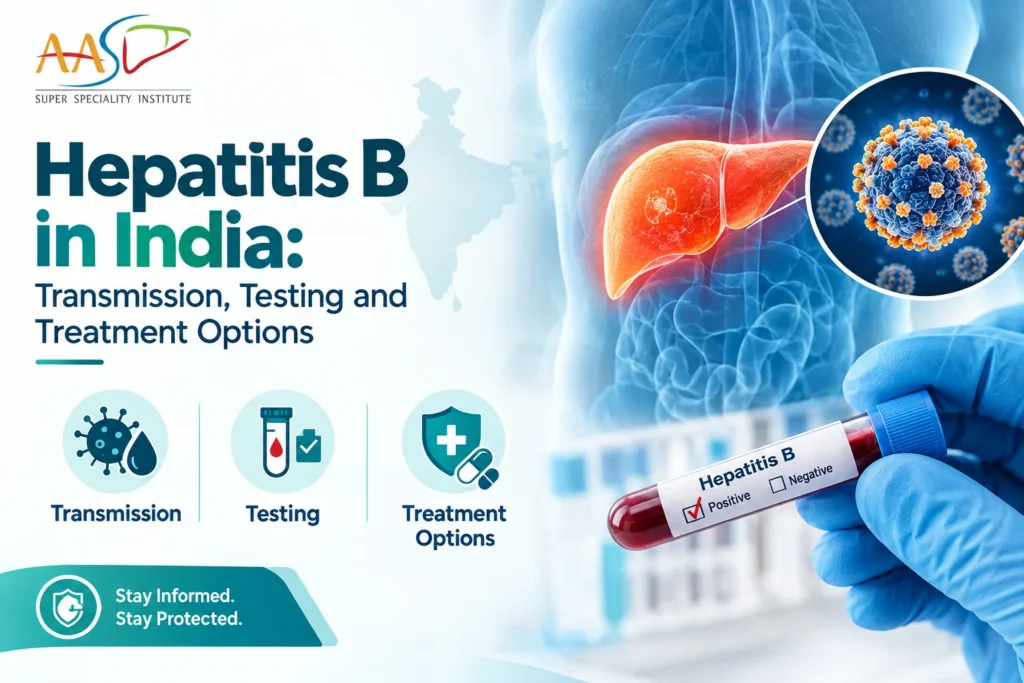
Hepatitis B is the silent, chronic killer. This virus is one of the world’s leading causes of liver cancer and end-stage liver disease.
How it Spreads: Contact with Bodily Fluids
Unlike Hepatitis A, HBV is a blood-borne pathogen, meaning it spreads through contact with infected blood, semen, or other body fluids. It is not spread through casual contact like sneezing, coughing, or sharing utensils.
- Mother-to-Child: Transmission during birth (perinatal transmission) is the most common route in many high-prevalence areas.
- Unsafe Practices: Sharing needles or syringes, non-sterile tattooing/piercing equipment.
- Sexual Contact: Unprotected sexual contact with an infected partner.
How it Affects the Liver: Lifelong Risk
HBV is dangerous because it can become a chronic, lifelong infection, silently damaging the liver over decades.
- Acute to Chronic: While most adults who get HBV clear the virus, up to 90% of infants infected at birth will develop chronic hepatitis B.
- Long-Term Complications: Chronic HBV is a primary driver of:
- Cirrhosis: Severe scarring of the liver.
- Liver Cancer (HCC): HBV is responsible for a significant percentage of all global liver cancer cases.
The Ultimate Prevention: The Power of the Vaccine
The most important takeaway is that both of these serious liver threats are highly preventable through safe, effective vaccines.
| Virus | Transmission Route | Risk of Chronic Disease | The Solution (Prevention) |
| Hepatitis A | Fecal-Oral (Contaminated Food/Water) | Low (Acute Illness) | Hepatitis A Vaccine |
| Hepatitis B | Blood, Semen, and Body Fluids | High (Leads to Cirrhosis/Cancer) | Hepatitis B Vaccine (Often called the first anti-cancer vaccine) |
The Hepatitis B vaccine is a must. It is recommended for all newborns and children and all unvaccinated adults, offering near-100% protection against the disease and the subsequent risk of liver cancer.
By understanding the distinct pathways of these viruses and taking the simple, proactive step of vaccination, you are truly targeting the root cause of much of the world’s preventable liver disease.
Are you unsure about your vaccination status or your risk for Hepatitis A or B? Consult your healthcare provider today to get tested and discuss a vaccination schedule to protect your liver for life.