Liver surgery has undergone a remarkable transformation over the last decade. What once required large incisions and long recovery periods can now often be performed using minimally invasive techniques, including laparoscopic and robotic liver surgery. These advanced surgical approaches allow patients to experience faster recovery, reduced pain, and excellent clinical outcomes—without compromising safety or precision.
For patients seeking modern liver care, here is a comprehensive guide to minimally invasive liver surgery and why choosing an expert liver surgeon is essential.
What is Minimally Invasive Liver Surgery?
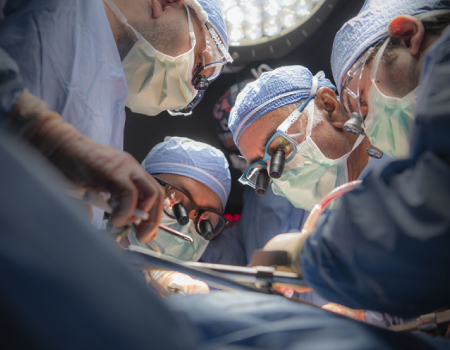
Minimally invasive liver surgery uses small keyhole incisions to access the liver and remove tumours, cysts, or diseased tissue. The two primary techniques include:
- Laparoscopic Liver Surgery
Performed using long instruments and a camera inserted through small incisions.
- Robotic Liver Surgery
Uses advanced robotic arms controlled by the surgeon for enhanced precision, flexibility, and visibility.
Both techniques aim to achieve the same outcomes as open surgery but with significantly improved patient comfort and recovery.
Conditions Treated with Laparoscopic and Robotic Techniques
Minimally invasive liver surgery can effectively treat:
- Benign liver tumours (Haemangiomas, Adenomas, FNH)
- Malignant liver tumours (Hepatocellular Carcinoma, Cholangiocarcinoma, Metastatic Liver Tumours)
- Liver cysts
- Hydatid cysts
- Bile duct diseases
- Select cases requiring segmental or major liver resections
With advancements in technology, even complex liver tumours can now be treated laparoscopically or robotically in specialized centers.
Laparoscopic Liver Surgery: Precision Through Small Incisions
Key Advantages
- Smaller incisions and minimal scarring
- Faster recovery and shorter hospital stay
- Reduced blood loss
- Lower risk of wound complications
- Early return to routine activities
- Enhanced post-operative comfort
Suitable Procedures
Laparoscopic surgery is ideal for:
- Left lateral sectionectomy
- Non-complex liver resections
- Cyst deroofing
- Select hydatid cyst surgeries
- Biopsies and diagnostic procedures
Experienced liver surgeons can also perform advanced segmentectomies laparoscopically with excellent outcomes.
Robotic Liver Surgery: The Future of Hepatobiliary Surgery
Robotic surgery represents the most advanced form of minimally invasive liver surgery. Using systems like the Da Vinci® Surgical Robot, surgeons gain unmatched control, 3D magnified vision, and wrist-like instrument movement.
Important Benefits
- Superior precision for delicate liver structures
- Better visualization of vessels and bile ducts
- Greater instrument articulation
- Reduced surgeon fatigue in long surgeries
- Tremor filtration for safer tissue handling
Best Suited For
- Complex liver tumours
- Major hepatectomies
- Deep, difficult-to-reach lesions
- Tumours near major vessels
- Combined liver and bile duct procedures
Robotic liver surgery allows expert surgeons to perform procedures that were once possible only through large open incisions.
How Minimally Invasive Liver Surgery Improves Patient Outcomes
Patients undergoing laparoscopic or robotic liver surgery often experience:
- Less postoperative pain
- Quicker discharge (often within 2–4 days)
- Lower need for pain medications
- Faster return to work and daily life
- Better cosmetic results
- Higher confidence and faster emotional recovery
These benefits make minimally invasive surgery a preferred option for eligible patients.
When Open Surgery Is Still Needed
Although minimally invasive techniques are highly advanced, certain cases may still require open surgery:
- Very large tumors
- Tumors invading major vessels
- Extensive cirrhosis
- Emergency liver injuries
- Complex bile duct reconstructions
A skilled liver surgeon will determine the safest and most effective approach based on imaging and clinical evaluation.
Why Choose an Expert Liver Surgeon for Minimally Invasive Surgery?
Laparoscopic and robotic liver surgeries require a high level of expertise, specialized training, and advanced hospital infrastructure. Choosing the right surgeon ensures:
- Accurate diagnosis and personalized treatment planning
- Safe and skilled execution of minimally invasive techniques
- Seamless coordination with anaesthesiologists, radiologists, and ICU teams
- Better long-term outcomes and reduced complications
A dedicated hepatobiliary and liver transplant surgeon with experience in both laparoscopic and robotic techniques is best equipped to manage complex liver conditions safely.
Laparoscopic and robotic liver surgery have revolutionized the management of liver diseases, offering patients safer, faster, and more precise treatment options. With the right surgeon and advanced surgical technology, minimally invasive liver surgery delivers exceptional results while preserving quality of life.
If you or a loved one has been diagnosed with a liver tumour or requires liver surgery, early consultation with a specialized liver surgeon can help determine whether minimally invasive surgery is the right option for you.