
A liver transplant in India or any other country is actually a well-planned process. In fact, it consists of a series of steps which take a long time to complete. Patients normally feel confused initially, mostly due to the fact that it consists of a series of steps. Knowing how a liver transplant in India is done can help minimize fear and actually help in understanding what needs to happen.
Doctors work in a structured way, so that all their decisions are good for patient safety and outcomes in the long run.
Step One: Initial Evaluation & Medical Review
- The liver transplant surgery steps involve a comprehensive evaluation. The physician will look at the condition of the liver, the patient’s condition, as well as how strong their other organs are. This stage also involves blood testing, scans, heart testing, and testing for infections.
- The treatment of mental health and family support is also considered. This aspect is of greater importance than most people realize. Recovery takes time and support. The liver transplant program in India centers on ensuring a mentally and physically sound patient.
- This is rather a slow liver transplant procedure in india, but it is very safe for patients.
Step Two: Approval & Listing for Transplant
- After this assessment is finished, it is up to transplanting physicians as to whether or not transplant is indicated. If this is decided as acceptable, then the patient is put onto a list for surgery.
- Also, doctors cope with any symptoms and instruct patients regarding food and medication. Frequent consultations are necessary. The liver transplant process in India adheres to certain rules regarding this stage to ensure patients remain stable during this period awaiting transplants.
- Some days are calm. Some days are heavy. This is normal.
Step Three: Pre-Surgery Patient Preparation
- Before having the surgery, patients undergo a series of checks. Blood tests are repeated. Imaging studies are re-reviewed. Infection or weakness is tended to.
- Patients are asked to keep strict diets and medicines as prescribed. Consumption of alcohol needs to be stopped altogether. This will help the body get ready for the liver transplant procedure.
- Explanations are provided by doctors concerning risks and expectations of outcomes by patients’ doctors. Clear patient understanding is important for patients to remain calm and composed
Steps Four: Steps of Liver Transplant Surgery
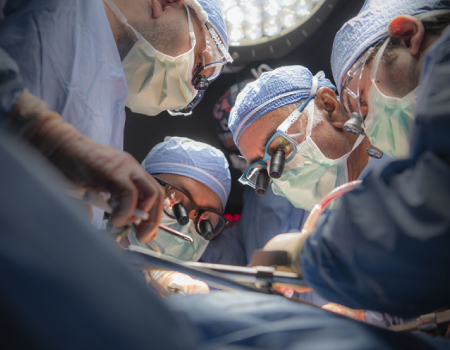
- The liver transplant procedure in india involves the following steps as soon as the healthy liver is available. Liver transplant surgery takes a few hours to complete. The surgeons remove the malfunctioning liver and implant the healthy one.
- The blood vessels and bile ducts are carefully connected. Each step of the process is closely observed. This liver transplant surgery procedure needs expert surgical expertise and coordination.
- Following the surgical process, the patient is transferred to the intensive care unit to be closely monitored.
Step Five: Recovery After Surgery
- The first few days following surgery are very crucial. The physician monitors liver function, circulation of blood, and infections. Medications are administered to assist in accepting the new liver.
- Pain is carefully managed. Slow movement starts. Patients experience weakness, which is expected. The liver transplant procedure does not hasten the recovery process during this time.
- Family support and nursing care assume a significant role in these regards.
Step Six: Hospital Stay and Monitoring
- Patients typically require a few weeks of hospitalization. The doctor then adjusts medications and checks patient response during this period. Blood tests are frequently performed to assess liver function.
- Diet plans are gradually introduced. Patient Education: Medicines should be taken on time. Skipping medications can have serious consequences, and instructions are reinforced more than once.
- The process of liver transplantation carried out in Indian hospitals also accentuates patient learning.
Step Seven: Long Term Recovery and Follow Up
- Recovery is ongoing even after being discharged from the facility. Follow-up visits are mandatory. Maintaining blood tests, scans, and medications is ongoing.
- Patients gradually resume normal activity. Their energy levels begin to boost, but sometimes it seems slow, almost intermittent. Doctors advise on changes in lifestyle to protect the new liver. The liver transplant process in India does not stop after the surgery. The final and most crucial step is long term care.