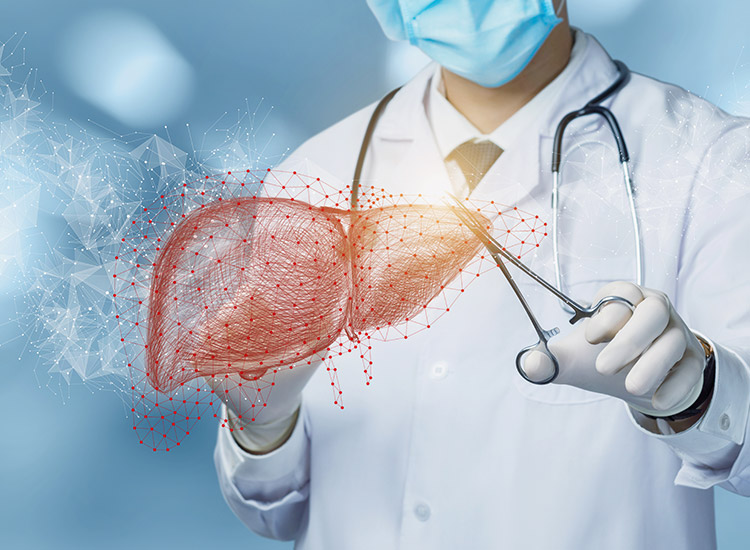
Living donation and partial transplant of the liver offer reliable treatment strategies for patients suffering from serious liver ailments. Both strategies rest on a single truth. The liver has the capacity to regenerate. Consequently, a portion of a healthy liver may be taken from a donor to implant in a patient. Later, both livers get a chance to regenerate. This process may appear quite drastic, but all strategies are laid down with careful checks to ensure the safety of a patient.
Living Donor and Partial Liver Transplant: An Insight
- It refers to transplanting only a part of the liver, and not the whole organ. This is also referred to as a partial liver transplant.
- If it is conducted from a living donor, it is referred to as a part liver transplant from a living donor.
- A part liver transplant is very helpful in situations where there is a long waiting time.
- A liver transplant is carried out in India if there is a deterioration in patient health and there is no time to waste.
Who Can be a Living Liver Donor?
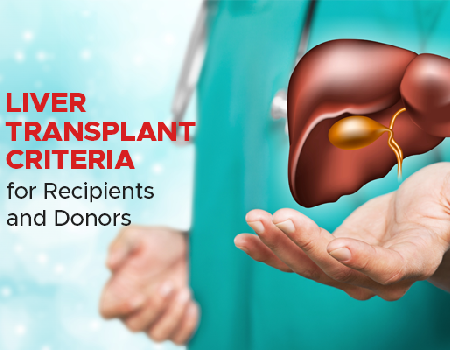
The eligibility levels are examined thoroughly. The donor has to be an adult in sound bodily health. Mental preparedness is also examined, as it has to be an informed decision. There has to be proper blood grouping, along with an adequate size of liver for the size of the patient. The donor should not have any issues related to the liver, infections, or chronic illness that might have raised concerns for complications. The patient has to qualify for the treatment as well. Severe cases of liver failure, unresponsiveness to other therapies, and stable health for the time of surgery are important considerations.
Process for Living Organ Liver Transplants
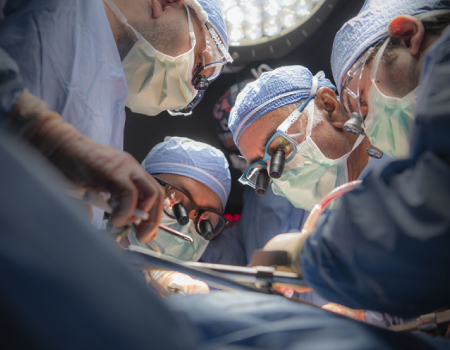
In a living donor liver transplant operation, there are steps followed. Initially, there is testing for suitability for surgery, which takes a number of weeks. Later, an operation for surgery takes place. During a living donor liver transplant surgery operation, a portion of the liver from the donor takes place. In addition to this process, the portion of the liver in the patient with issues is eliminated as well. Then the liver part transplanted to the patient starts to have its flow of blood restored. Several hours are needed in this process to perform this intricate operation. Finally, observation for both patient and donor takes place.
Reconstructing After Surgery
Recovery also takes time. Donors usually remain in hospitals for a week or more. Pain, fatigue, and sluggishness are very common for the first few weeks. Most patients are able to resume their normal lives within a couple of months. Antibiotics are necessary to ward off any rejection. Tests are carried out periodically to measure the functioning of the liver. Diet, relaxation, and follow-ups are very important too. The growth of the liver takes time, and careful observations are made.
Safety and Risk Awareness
In each and every living donor liver transplant in India, the matter of safety takes importance. The risk to the donor is maintained to be minimal. Issues such as infection, bleeding, or bile leakage could occur, but with proper care, these conditions are managed. In addition, each patient also faces their own risks, such as rejection or infection. Strict protocols are followed to ensure safety in each and every aspect, right from pre- to postsurgical care.