
The liver is the body’s most resilient organ, performing hundreds of vital functions from detoxification to protein synthesis. However, when subjected to long-term injury, its attempt to heal can lead to a condition known as cirrhosis—the final, irreversible stage of Chronic Liver Disease (CLD). Cirrhosis is characterized by the replacement of healthy liver tissue with non-functioning scar tissue, severely impeding the organ’s ability to perform its life-sustaining roles.
The Pathogenesis: How Cirrhosis Develops?
Cirrhosis develops as a consequence of chronic inflammation and injury. Over time, the continuous damage triggers the body’s repair mechanism. However, instead of regenerating normal tissue, specialized cells (hepatic stellate cells) lay down excessive collagen, leading to fibrosis. When this scarring becomes widespread and the tissue structure is permanently distorted by the formation of regenerative nodules, the condition progresses to cirrhosis. This structural disarray obstructs blood flow through the liver, leading to the severe complications associated with the disease.
Key Causes of Liver Cirrhosis
While many conditions can lead to cirrhosis, the following are the most prevalent in the Western world:
- Chronic Viral Hepatitis: Hepatitis C (HCV) and, to a lesser extent, Hepatitis B (HBV) are major global causes of liver damage and subsequent cirrhosis.
- Alcohol-Related Liver Disease (ArLD): Prolonged, excessive alcohol consumption is a direct hepatotoxin, leading sequentially to fatty liver, alcoholic hepatitis, and finally, cirrhosis.
- Non-Alcoholic Steatohepatitis (NASH): This is the inflammatory and progressive form of Non-Alcoholic Fatty Liver Disease (NAFLD), closely linked to metabolic syndrome, type 2 diabetes, obesity, and hyperlipidemia. NASH is rapidly becoming the leading cause of cirrhosis.
- Biliary Diseases: Conditions like Primary Sclerosing Cholangitis (PSC) and Primary Biliary Cholangitis (PBC) cause chronic inflammation and scarring of the bile ducts, leading to impaired bile flow and liver damage.
- Genetic and Metabolic Disorders: Hereditary diseases such as Hemochromatosis (iron overload) and Wilson’s Disease (copper accumulation) can cause progressive liver injury.
Recognizing the Signs: Symptoms of Decompensated Cirrhosis
In its early stages (compensated cirrhosis), the liver often maintains enough function to be asymptomatic. However, as the damage progresses (decompensated cirrhosis), symptoms and complications become pronounced.
| Category | Symptom/Complication | Clinical Manifestation |
| Hepatic Dysfunction | Jaundice | Yellowing of the skin and eyes due to the liver’s inability to clear bilirubin. |
| Fluid Imbalance | Ascites | Accumulation of fluid in the abdominal cavity. |
| Vascular | Varices | Enlarged, fragile blood vessels (most often in the esophagus) caused by Portal Hypertension (increased pressure in the portal vein system). Rupture can cause life-threatening bleeding. |
| Neurological | Hepatic Encephalopathy (HE) | Confusion, disorientation, and slurred speech caused by the buildup of toxins (like ammonia) that the liver fails to clear. |
| Systemic | Fatigue and Weakness | Profound tiredness often impacting quality of life. |
Treatment Options: Managing the Disease and Complications
Since cirrhosis itself is irreversible, treatment focuses on two primary goals: addressing the underlying cause and managing the life-threatening complications.
- Managing the Underlying Cause:
- Viral Suppression: Antiviral medication for patients with chronic Hepatitis B or C.
- Lifestyle Modification: Complete alcohol abstinence for ArLD and comprehensive management of metabolic syndrome (diet, exercise, weight loss) for NASH.
- Targeted Therapies: Medications to reduce copper/iron levels in genetic disorders or immunosuppressants for autoimmune conditions.
- Managing Complications:
- Ascites: Managed with a low-sodium diet and diuretics. In severe cases, large-volume paracentesis (fluid removal) may be necessary.
- Varices: Prevented and treated with beta-blocker medications or endoscopic band ligation (placing small rubber bands on the vessels).
- Hepatic Encephalopathy (HE): Treated with medications like lactulose and rifaximin to reduce ammonia production and absorption.
- Liver Transplantation: The Life Saving Option
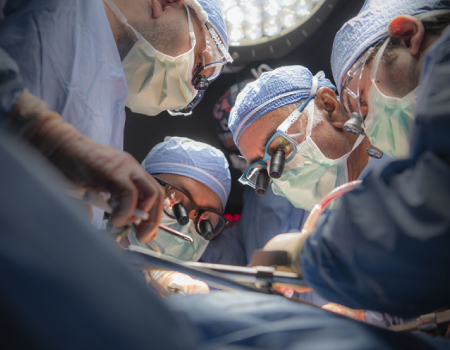
When cirrhosis progresses to end-stage liver disease (frequent decompensation that is no longer responsive to medical management), orthotopic liver transplantation (OLT) becomes the only definitive curative option. It offers a new chance at life by replacing the damaged organ with a healthy one. Candidates are prioritized based on their MELD (Model for End-Stage Liver Disease) score, reflecting the urgency of their need.
Understanding the causes and recognizing the subtle signs of cirrhosis is critical for early intervention, which can dramatically slow the progression of liver damage and preserve quality of life.