
Selecting a hospital for a liver transplant is a serious choice. Everything influences the outcome, including the individuals involved in the process, the mechanisms in place, and the quality of care. Strong medical standards, consistent collaboration, and patient care are the cornerstones of excellent liver transplant institutions. Instead of making any promises, they emphasize discipline, organization, and long-term outcomes.
It’s straightforward: patients prioritize safety. They want assistance, clarity, and well-thought-out planning. The top liver transplant facilities are aware of the need of balance and work toward it daily.
Strong Medical Standards and Clear Protocols
- The best liver transplant centers follow strict rules of medical conduct. From reviewing a patient for a transplant to the actual surgery and post-operative recovery, every step is according to a well-laid protocol. Such a strict set of standards will help minimize risks and allow the teams to act fast should there be any issues.
- Good liver transplant facilities have systems in place. They are not dependent on one person but rather on shared medical planning. This works to keep the care consistent even if a patient has to stay in the hospital for a long period of time. Consistency is what benefits the patients, which in turn builds trust over time.
Skilled and Dedicated Transplant Teams
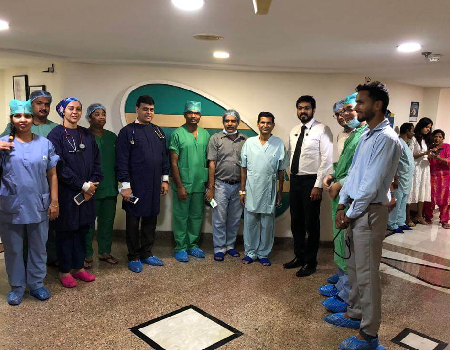
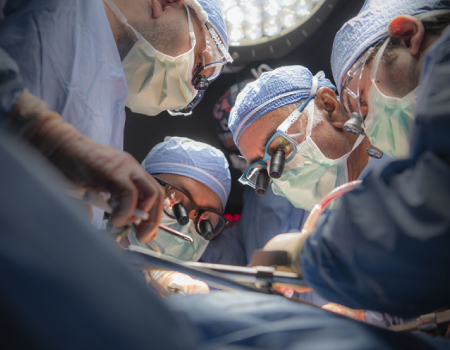
- A world-class hospital is defined by its people. Liver transplant centers bring together surgeons, transplant doctors, nurses, and support staff who focus only on transplant care. Each role is of importance. Each action affects the outcome.
- The best liver transplant hospitals in the world invest in training and teamwork. Staff members know their part and work in harmony. When teams are clear about communication, patients feel less confused and supported. This matters during recovery, when stress levels can rise without warning.
Advanced Facilities and Support Systems
- Facilities play an big role in transplant success. Modern operation rooms, advanced imaging tools, and clean intensive care units are basic needs. Liver Transplant hospitals that meet world-class standards carefully maintain these spaces.
- Support systems count, too: round-the-clock monitoring, infection control units, and response teams safeguard the patient during critical hours. Not immediately visible, they shape outcomes in quiet ways.
Evaluation and Selection of the Patient
- The best liver transplant centers have a careful selection method of patients. Every patient is not considered to be ready for transplant at the same time. Assessment of physical strength, health of the organs, and psychological preparedness is conducted before one is approved by the doctors.
- This can be a long process, but it is for a reason. Most liver transplant hospitals that hurry through the evaluation process increase risk.
Focus on Outcomes and Long-term Results
- World-class care is measured in outcomes, not words. The best liver transplant hospitals, that is, track survival rates, recovery timelines, and long-term liver health. Such results will help guide future care and improve systems incrementally over time.
- Liver transplant centers with strong outcome records also focus on follow-up care. Patients are not forgotten after surgery. Regular checkups, medicine review, and lifestyle guidance remain part of the care for years.
Patient Support and Daily Care Experience
- Of course, medical skill is essential in each case. However, it’s not enough: the patients also require emotional support and firm guidance on ‘what to do and what not to do after a transplant.’ Counseling, dietary advice, and education sessions are provided at world-class liver transplant hospitals for this reason-to ease living after a transplant.
- Daily care should feel organized, not chaotic. Nurses respond on time. Doctors explain plans without rushing. It’s the small things that make all the difference in the patient experience, not the big talk.
Why Choice of Hospital Really Matters
Choosing among liver transplant hospitals is more than a matter of reputation: systems, people, and follow-through earn trust through steady results and patient-focused care. A strong hospital is not about being impressive. It is about guarding life and restoring health. When standards, facilities, and outcomes come together in harmony, patients are assured of treatment; they also gather the confidence to trust in the care extended to them.