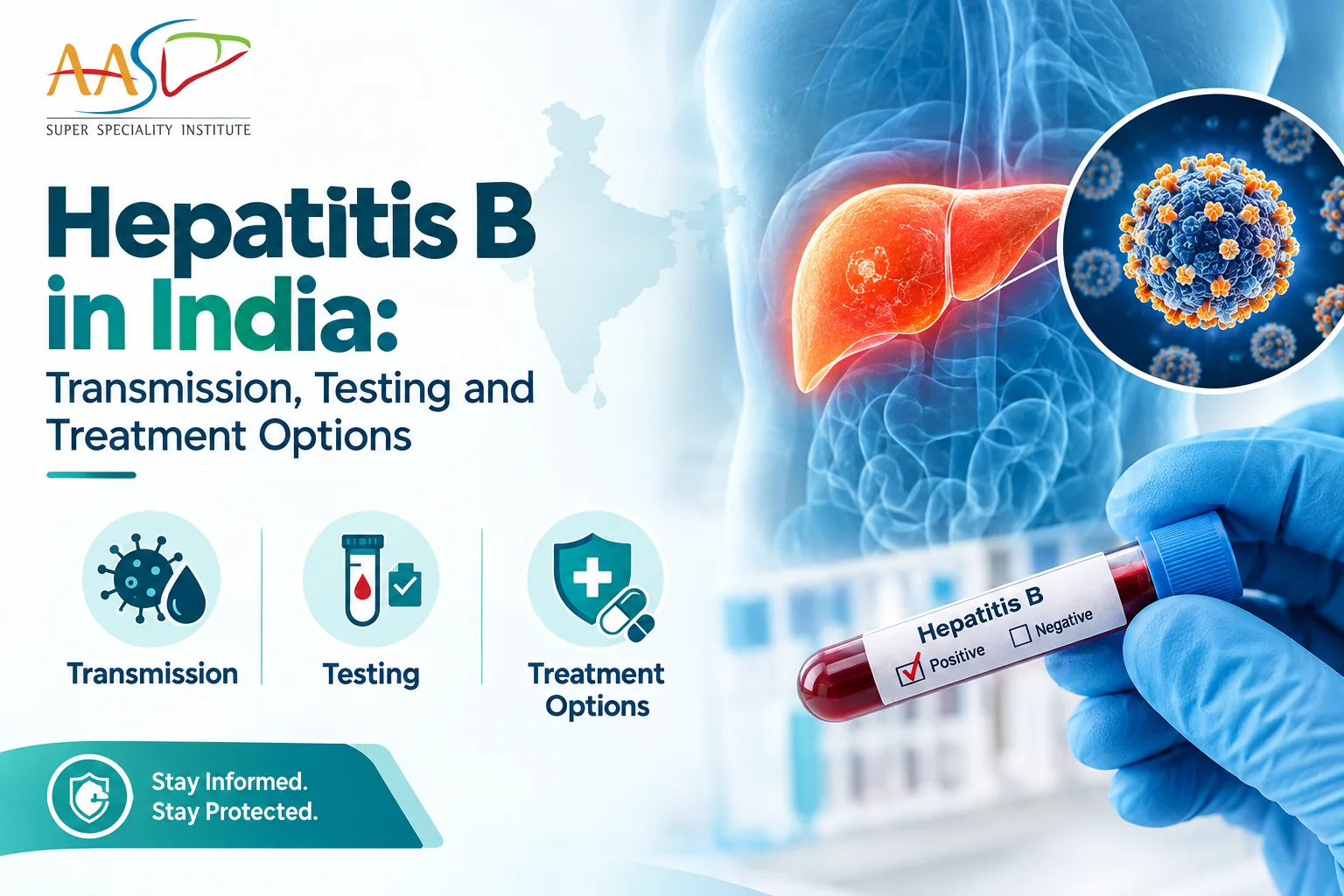
Hepatitis B carries a strange kind of stigma in India — people whisper about it, avoid sharing utensils with someone who has it, and sometimes even avoid physical contact. Almost none of that caution is based on how the virus actually spreads. Let’s clear that up first, because misinformation here causes more harm than the virus itself for a lot of families.
How Common Is It, Really?
India has one of the largest populations of people living with chronic Hepatitis B in the world — estimates put the number in the tens of millions. Most of these people were infected at birth or in early childhood and have no idea they’re carrying the virus, because chronic Hepatitis B can stay silent for decades before causing noticeable liver damage.
How Hepatitis B Actually Spreads (And How It Doesn’t)
The Hepatitis B virus (HBV) spreads through contact with infected blood or body fluids. The main routes in India are:
- Mother-to-child transmission during childbirth — this is the single largest source of chronic infection in the country
- Unsafe injections or medical equipment that hasn’t been properly sterilised
- Blood transfusion from unscreened blood (increasingly rare now with mandatory screening)
- Sexual transmission, particularly with multiple partners and without vaccination
Here’s the part that surprises most people: Hepatitis B does not spread through casual contact. Sharing a meal, shaking hands, hugging, or living in the same house doesn’t transmit the virus. This single fact would eliminate most of the social stigma if it were more widely known.
Why So Many Cases Go Undetected
Chronic Hepatitis B is often called a “silent” infection because it typically causes no symptoms for years, sometimes decades, while quietly damaging the liver in the background. By the time symptoms like fatigue, jaundice, or abdominal discomfort appear, the liver may already have significant scarring. This is exactly why routine screening — rather than waiting for symptoms — matters so much, especially for anyone with a family history of Hepatitis B or liver disease.
Testing: What the Reports Actually Mean
A basic Hepatitis B screening panel usually includes:
- HBsAg (Hepatitis B surface antigen): A positive result means you currently have the virus in your body.
- Anti-HBs: Indicates immunity, either from past infection that’s cleared or from vaccination.
- HBeAg: Indicates how actively the virus is replicating, which affects contagiousness and treatment decisions.
- HBV DNA (viral load): Measures how much virus is present in the blood, used to guide treatment decisions and monitor response.
If your HBsAg comes back positive, the next step is a consultation with a hepatologist, not a search engine spiral — the treatment decision depends on viral load, liver enzyme levels, and how much liver damage has already occurred, which only a proper evaluation can determine.
Treatment: What It Actually Involves Today
Chronic Hepatitis B isn’t always treated immediately upon diagnosis — some patients are simply monitored if the virus is inactive and the liver shows no signs of damage. When treatment is needed, it typically involves:
- Oral antiviral medications such as tenofovir or entecavir, taken daily, which suppress the virus effectively and are generally well tolerated
- Pegylated interferon, used in select cases, given as an injection over a defined course rather than indefinitely
- Regular monitoring of liver enzymes, viral load, and periodic imaging to catch any early signs of cirrhosis or liver cancer, since chronic Hepatitis B increases long-term risk for both
The goal of treatment isn’t always to eliminate the virus completely — for many patients it’s about suppressing it to undetectable levels, which dramatically reduces the risk of liver damage progressing.
When Hepatitis B Leads to Something More Serious
Left unmonitored over many years, chronic Hepatitis B can progress to cirrhosis or liver cancer in a subset of patients. This is exactly why patients with chronic Hepatitis B are advised regular liver function tests and ultrasound surveillance, even when they feel completely well. If cirrhosis does develop and the liver’s function declines significantly, a liver transplant evaluation becomes part of the conversation — you can read more about that pathway on our liver diseases page, which covers the full spectrum of conditions that can eventually require transplant.
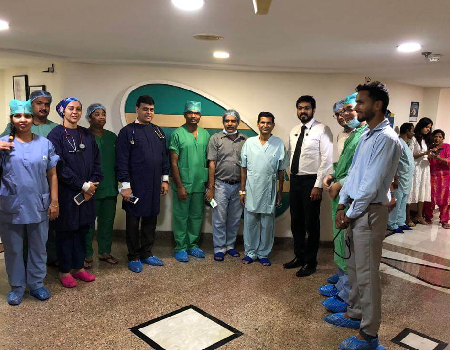
Our team, led by Dr. Vishal Kumar Chorasiya, manages patients across this entire spectrum — from a newly diagnosed carrier who just needs monitoring, all the way to a patient whose Hepatitis B-related cirrhosis requires transplant evaluation. Having that continuity within one team means patients aren’t bounced between specialists as their condition changes over the years.
Vaccination: The Part Everyone Should Know
Hepatitis B is one of the few chronic viral infections that’s almost entirely preventable through vaccination. It’s part of India’s Universal Immunization Programme for infants, and adults who were never vaccinated (or aren’t sure of their status) can still get vaccinated as a three-dose series. According to the World Health Organization’s Hepatitis B fact sheet, the vaccine is over 95% effective in preventing infection and chronic disease.
Frequently Asked Questions
Can Hepatitis B be cured completely?
A functional cure — where the virus becomes undetectable and liver damage is prevented — is achievable for many patients on treatment, though a complete elimination of the virus from the body is rare with current medications.
Is it safe to marry or have children if I have Hepatitis B?
Yes. With proper precautions (partner vaccination, and immunoglobulin plus vaccination for newborns), the risk of transmission can be brought down dramatically, and many people with Hepatitis B have healthy families.
Should family members of a Hepatitis B patient get tested?
Yes, especially those living in the same household or born to an infected mother — testing and vaccination for unvaccinated family members is strongly recommended.
If you or a family member has tested positive for Hepatitis B, don’t navigate the reports alone. Consult AASLT’s hepatology team for a clear, personalised treatment plan.