
Liver Transplant Donor Eligibility & Process
Liver transplantation tends to be a last resort when the liver is no longer working well. The center of such treatment, however, is the liver transplant donor; without a suitable one, the surgery cannot proceed. In India, donation-based transplantation plays a major role, especially since the liver can be donated in parts. This makes planning possible but also brings legal checks, medical rules, and careful matching steps that need to be followed with care.
Types of Liver Transplant Donors
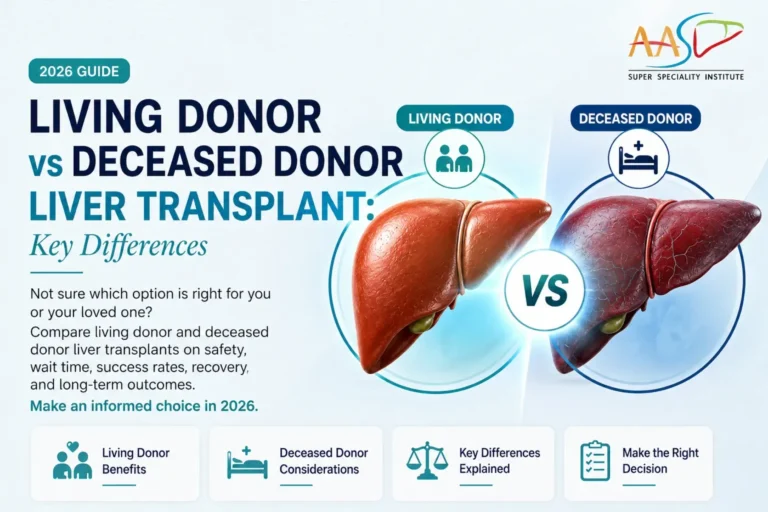
A donor of liver transplant can be either a living or a deceased one. The living donors are usually the healthy adults who give a part of their liver, which grows back with time. Deceased donors donate the full liver after brain death. In many instances, the focus remains on living donors because the wait for deceased organs can be long. This is why liver transplant donor India systems are built on both awareness and regulation. Each donor type follows different steps, but safety stays the main concern.
Availability of Liver for Transplantation in India
Liver availability for transplant in India depends on factors such as the willingness of the donor, legal approval, and medical fitness, along with the preparedness of a hospital. While the number of patients in need of transplant is high, that of donors would be lower. Living donation helps to bridge this gap. However, not all willing persons can be donors. Medical tests may rule out many of them. For this reason, transplant centers strategize well and guide the families through each stage, from initial checks to final approval.
Legal Issues to Consider for the Donation of a Liver
India has stringent laws to avoid misuse and safeguard the interests of donors. A liver transplant donor has to give consent that must be free of any element of threat or payment. Living donors are commonly close relatives, though non-related donors may also be cleared after deeper review. Legal committees scrutinize documents, interviews, and medical reports.
Living Donor Liver Transplant Requirements
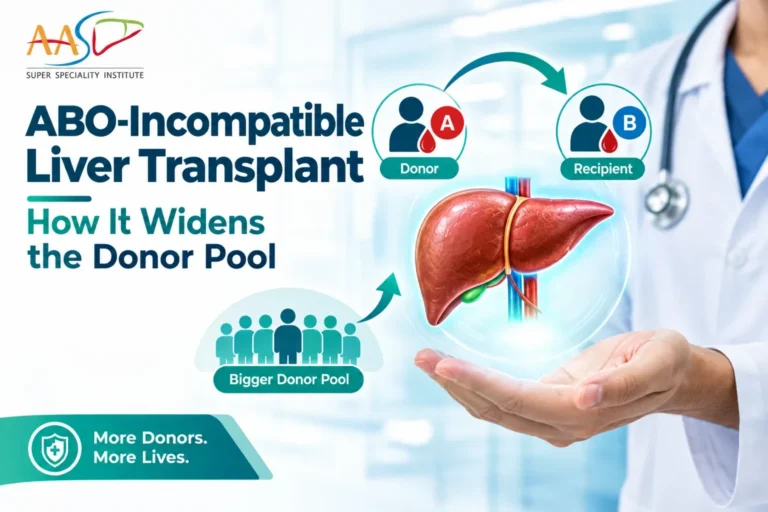
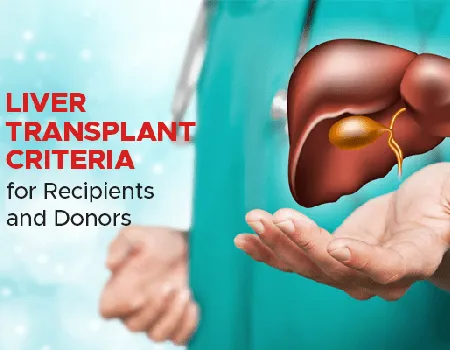
Each of the demands against living donor liver transplantation criteria is clearly explained. First of all, it is required that the donor be an adult in good health with the following descriptions: blood group compatibility with the recipient, appropriate liver size as required for the patient, heart health assessment, lung function assessment, and psychological preparedness. The donor must not have liver diseases, significant infections, or chronic illnesses. The patient should also be prepared for meeting certain conditions. The severe damage to the liver should be there, the condition of the body needs to be stable, and the ability of tolerance by the surgery needs to be met. These requirements may sound heavy, but they protect both donor and patient from unnecessary risk.
Matching Process of the Donor with the Patient
Doctors look at liver capacity, body size, and overall health in addition to blood type matching. The amount of liver that may be given safely is determined by imaging scans. The objective is simple: the recipient must get enough liver to heal, but the donor must not experience any negative health effects from the procedure. It takes considerable preparation to find this equilibrium. The physicians stop working if they are unable to find a good match. Although it may take some time, this procedure prevents a lot of potential issues.
Care before and after donation
Counseling and repeated tests are carried out on both the donor and the patient before surgery. This removes a lot of doubts and allows for realistic expectation setting. Close follow-up begins after surgery. Generally, donors recover faster, but rest and regular checkups are still required. Patients need longer care in terms of medicines and diet control. The hospitals also track the growth of the liver and its performance over time. Long-term outcome is supported by this steady care.