
The liver is a structurally heterogeneous (diverse) organ composed of three major, distinct tissue types. The bulk of the liver is the parenchyma, or liver substance, which is formed by the primary liver cells, known as hepatocytes. The second component is the biliary tissue, which forms the tubular biliary system and is made up of biliary cells, or cholangiocytes. Finally, the third component consists of the blood vessels that transport blood to, through, and away from the liver and back to the heart.
Categorization of Liver Diseases
Liver diseases can be primarily categorized based on which of these three major tissue components is predominantly affected:
- Diseases Affecting the Liver Parenchyma (Hepatocytes): These conditions involve the main liver cells and include:
- Inflammation/Damage (Hepatitis): Such as viral hepatitis.
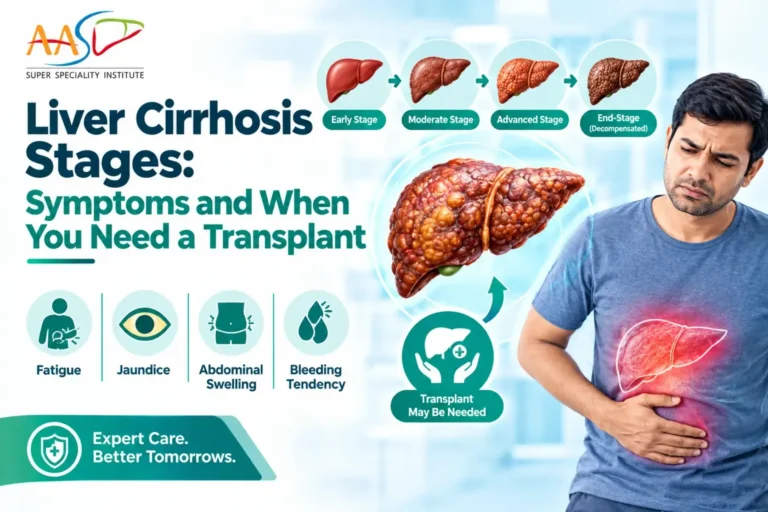
- Scarring (Cirrhosis): A progressive and chronic disease state.
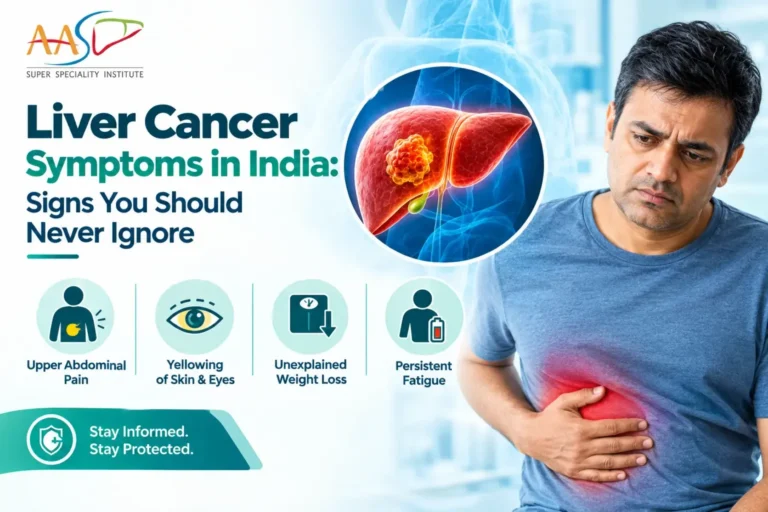
- Space-Occupying Lesions: Including liver abscesses, hydatid cysts, and liver cancers.
- Infiltrations: Conditions like fatty liver disease, glycogen storage disorders, hemochromatosis, and amyloidosis.
- Metabolic & Functional Disorders: These can be hereditary (e.g., Wilson’s Disease, Tyrosinemia) or acquired (e.g., cholestasis of pregnancy).
- Diseases Affecting the Biliary Tree (Cholangiocytes): These impact the ducts that carry bile:
- Infection/Inflammation: Examples include cholangitis and Primary Sclerosing Cholangitis.
- Obstruction: Such as biliary atresia, gallstones, or biliary cancers.
- Diseases Affecting the Hepatic Vasculature (Blood Vessels): These involve blockages in the liver’s blood supply:
- Hepatic Vein Blockage: Budd-Chiari Syndrome.
- Portal Vein Blockage: Portal Vein Thrombosis.
Progression and Advanced Disease
Many liver conditions are benign and respond well to timely medical or minimally invasive surgical treatment. However, any liver disease has the potential to become progressive and chronic (long-standing) if appropriate corrective action is delayed or if complications arise. Furthermore, some diseases are congenital or hereditary and may progress despite optimal medical management.
Liver cancers, the third category, typically arise as a complication of an existing chronic and progressive liver condition, though spontaneous (de novo) development, while rare, can occur.
Ultimately, regardless of the original cause, any liver problem that becomes chronic and progressive is medically termed Chronic Liver Disease (CLD). This condition follows a predictable course, leading to an advanced stage of severe, irreversible liver damage known as Liver Cirrhosis.
Feel free to connect with us for a more detailed explanation of any specific liver condition mentioned here.