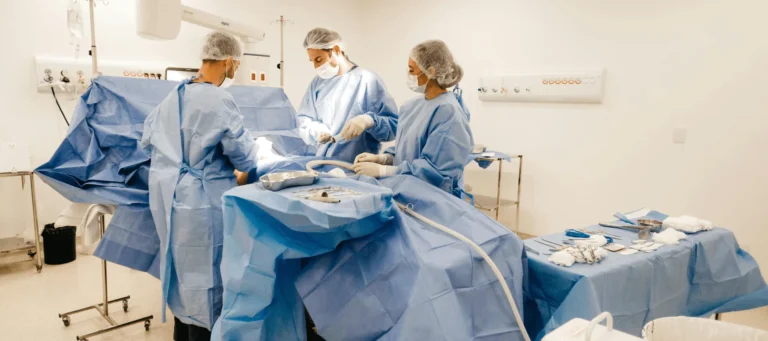


The gastrointestinal (GI) system plays a vital role in digestion, nutrient absorption, and overall health. When conditions affecting the stomach, intestines, colon, esophagus, or digestive organs become severe, surgical intervention may be necessary. GI Surgery—a specialized branch of surgery—offers effective solutions for complex digestive diseases, using both traditional and minimally invasive techniques to ensure safe and successful outcomes.
Let’s understand what GI surgery includes, common conditions treated, advanced surgical approaches, and why choosing an experienced GI surgeon is essential for the best results.
What Is GI Surgery?
GI surgery focuses on treating diseases of the digestive system, including:
- Esophagus
- Stomach
- Small intestine
- Colon & rectum
- Appendix
- Hernias
- Gallbladder & bile ducts
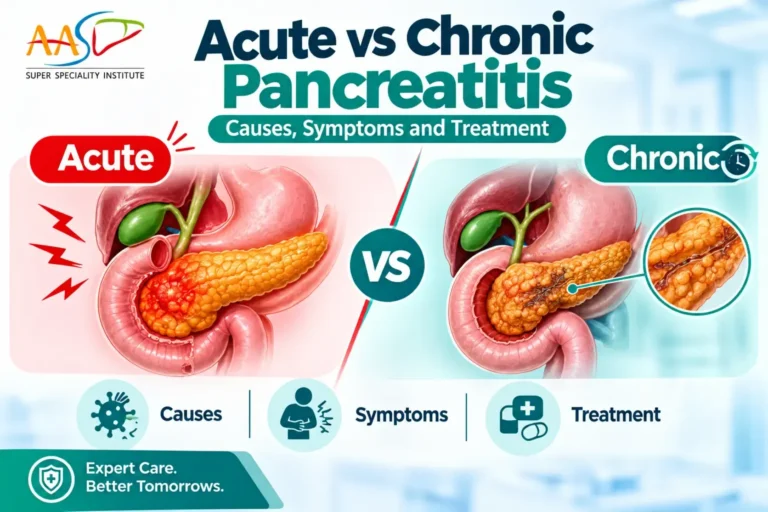
- Pancreas & liver
- Spleen
GI surgery may be performed for benign (non-cancerous) conditions, cancer, inflammatory diseases, trauma, and congenital disorders.
Common Conditions Treated Through GI Surgery
Upper GI Conditions
- Esophageal tumors
- Acid reflux disease (GERD)
- Hiatal hernia
- Stomach cancer
- Peptic ulcer complications
Lower GI Disorders
- Colon and rectal cancer
- Diverticulitis
- Inflammatory bowel disease (Crohn’s, Ulcerative Colitis)
- Intestinal obstruction
- Appendicitis
Gallbladder & Biliary Conditions
- Gallstones
- Cholecystitis
- Bile duct stones
- Biliary strictures
Hernias
- Inguinal, umbilical, incisional hernias
- Hiatal hernias
- Complex abdominal wall reconstruction
Advanced GI Surgical Procedures
- Laparoscopic GI Surgery
Modern GI surgery frequently uses minimally invasive (keyhole) techniques.
Benefits
- Small incisions
- Faster recovery
- Less pain
- Reduced infection risk
- Shorter hospital stay
Common laparoscopic GI surgeries:
- Laparoscopic appendectomy
- Laparoscopic cholecystectomy
- Laparoscopic hernia repair
- Laparoscopic colectomy
- Laparoscopic fundoplication for reflux
- Robotic GI Surgery
Robotic platforms like the Da Vinci system offer enhanced precision and visualization, especially in complex GI cancers or pelvic surgeries.
Advantages
- High-definition 3D view
- Improved dexterity of instruments
- Greater accuracy in narrow spaces
- Faster recovery for patients
Robotic surgery is particularly useful for:
- Colorectal cancer
- Stomach cancer
- Esophageal surgeries
- Hernia repairs
- Foregut surgeries
- Cancer (Oncologic) GI Surgery
GI cancers require highly skilled oncologic surgeons.
Surgeries include:
- Gastrectomy for stomach cancer
- Esophagectomy
- Colectomy / proctectomy for colon & rectal cancer
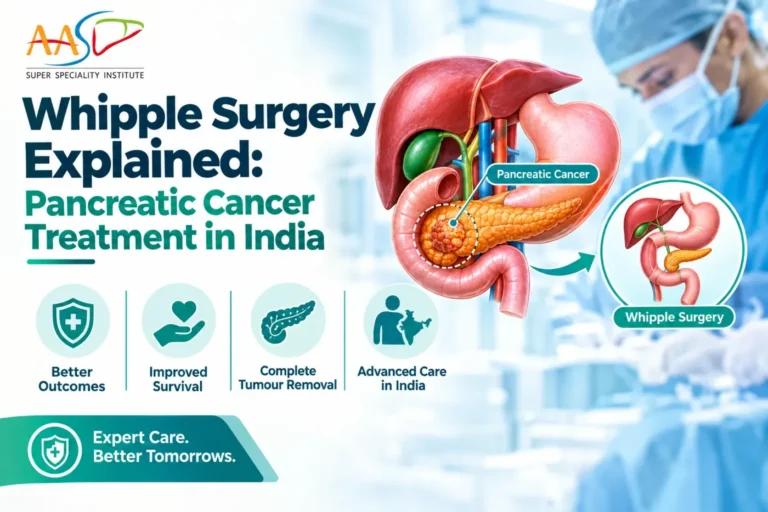
- Whipple procedure for pancreatic cancer
- Liver resection for metastatic GI tumors
These procedures are often combined with chemotherapy, radiotherapy, or targeted therapy.
- Emergency GI Surgery
Acute GI conditions can be life-threatening.
Common emergency GI surgeries:
- Appendix rupture
- Intestinal obstruction
- Perforated ulcer
- Bowel ischemia
- Trauma to abdominal organs
Timely surgical intervention can be lifesaving.
Why GI Surgery Matters
The GI tract is complex, and its diseases often affect quality of life, nutrition, and long-term health. GI surgery provides:
- Relief from pain and symptoms
- Removal of cancerous or diseased tissue
- Restoration of normal digestive function
- Prevention of life-threatening complications
- Improved overall health and longevity
Choosing the Right GI Surgeon
A skilled GI surgeon ensures:
- Accurate diagnosis
- Personalized treatment plans
- Expertise in minimally invasive and advanced surgical techniques
- Safe and effective outcomes
- Seamless coordination with gastroenterologists, oncologists, and radiologists
Conclusion
GI Surgery plays a crucial role in the treatment of a wide range of digestive diseases—from routine gallbladder removal to complex cancer surgeries. With advancements in laparoscopic and robotic techniques, patients can now experience faster recovery, reduced pain, and excellent clinical outcomes.
If you or someone you know is facing a gastrointestinal condition requiring surgery, consulting an experienced GI surgeon ensures comprehensive care, advanced treatment options, and the best possible recovery.