

If you or a family member has just been told you need a “Whipple procedure,” it’s completely normal to panic-Google it at 2 AM and come away more confused than before. The name doesn’t explain anything, the anatomy diagrams look terrifying, and most explanations jump straight into medical jargon. Here’s the plain-language version.
What Is Whipple Surgery, Actually?
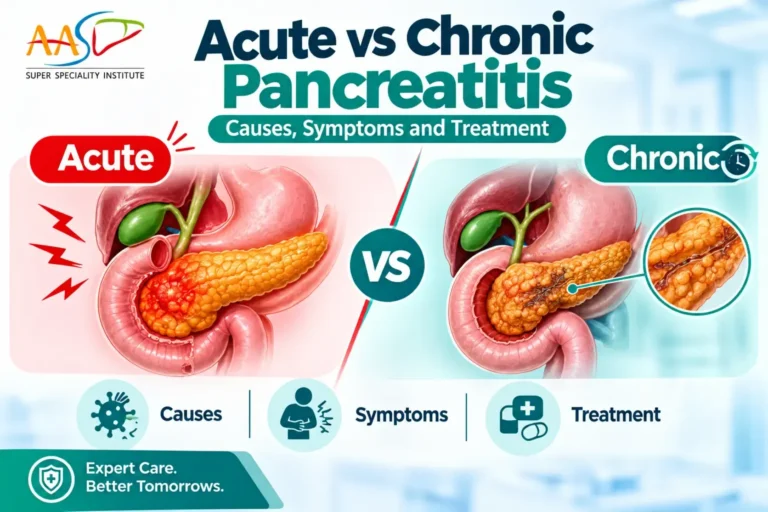
Whipple surgery — medically called a pancreaticoduodenectomy — is a complex operation that removes the head of the pancreas, along with the first part of the small intestine (duodenum), the gallbladder, part of the bile duct, and sometimes part of the stomach. After removing these connected structures, the surgeon reconnects the remaining digestive organs so the system continues to function.
It sounds drastic because it is a major operation — but it’s also one of the most established treatments for tumours located in the head of the pancreas, and for certain tumours of the bile duct and duodenum as well.
Why So Much Tissue Needs to Be Removed
This is usually the first question families ask, and it’s a fair one — why not just remove the tumour? The answer is anatomical: the head of the pancreas, the duodenum, the bile duct, and the gallbladder all share a tightly interconnected blood supply and drainage system. A tumour in this region typically can’t be safely removed without also removing the surrounding structures that share its blood vessels, because leaving compromised tissue behind increases the risk of the cancer returning or the remaining tissue not receiving adequate blood flow.
Who Actually Needs This Surgery
Whipple surgery is most commonly performed for:
- Pancreatic cancer located in the head of the pancreas — the most common indication
- Cholangiocarcinoma (bile duct cancer) near where the duct enters the small intestine
- Ampullary cancer, arising where the bile duct and pancreatic duct meet the intestine
- Duodenal tumours, in some cases
- Occasionally, chronic pancreatitis with severe pain unresponsive to other treatments
Not every pancreatic tumour is operable this way — the tumour’s exact location and whether it has grown into nearby major blood vessels determines whether Whipple surgery is even feasible, which is why thorough imaging (CT, sometimes MRI or endoscopic ultrasound) comes before any surgical decision.
What Happens During the Surgery
In broad strokes:
- The surgeon removes the head of the pancreas, duodenum, gallbladder, and part of the bile duct (and sometimes part of the stomach)
- The remaining pancreas, bile duct, and stomach are then reconnected to a different part of the small intestine
- This reconstruction restores the normal path of digestive juices and food, just through a modified route
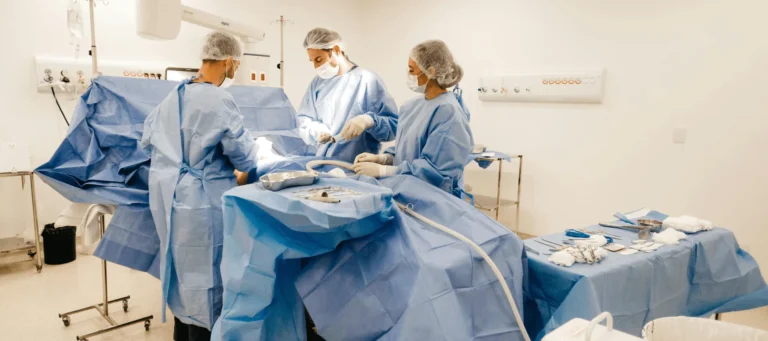
The surgery typically takes several hours and requires a highly coordinated surgical team, given how many structures are involved in both the removal and the reconstruction.
Open vs Minimally Invasive Whipple Surgery
Traditionally performed as open surgery through a large abdominal incision, Whipple surgery is increasingly being performed laparoscopically or robotically at specialised centres. The minimally invasive approach, when appropriate for the specific case, generally offers less blood loss, a shorter hospital stay, and faster return to normal activity — though not every patient or tumour is suitable for this approach, and the decision depends on tumour size, location, and involvement of surrounding blood vessels.
Recovery: A Realistic Timeline
- First week: Hospital stay in a monitored setting, gradual reintroduction of food, managing drains placed during surgery
- Weeks 2–4: Continued recovery at home, gradually increasing activity, adjusting to changes in digestion
- 1–3 months: Most patients regain a good portion of normal energy and appetite, though full recovery of stamina can take longer
- Ongoing: Depending on how much pancreas was removed, some patients need pancreatic enzyme supplements to help digest food properly, and blood sugar monitoring, since the pancreas also regulates insulin production
Every patient’s recovery pace differs based on age, overall health going in, and whether any complications arose during or after surgery. Bile leaks, delayed stomach emptying, and pancreatic fistula are known risks of this specific surgery, which is why post-operative monitoring at an experienced HPB centre matters as much as the surgery itself.
Why Surgeon and Centre Experience Matters So Much Here
Whipple surgery is consistently cited as one of the most technically demanding operations in abdominal surgery, and outcomes are strongly linked to how frequently a centre performs it. Complication rates and length of hospital stay tend to be meaningfully lower at high-volume HPB centres compared to centres that perform this operation only occasionally.
At AASLT, Whipple surgery is performed as part of the dedicated pancreatic and HPB surgery programme, which also includes distal and total pancreatectomy for tumours in different locations of the pancreas. Dr. Vishal Kumar Chorasiya brings over 18 years of hepatobiliary and pancreatic surgical experience to these cases, with both open and minimally invasive techniques available depending on what’s appropriate for the individual tumour and patient.
According to Johns Hopkins Medicine, which performs one of the highest volumes of this surgery globally, patient outcomes after the Whipple procedure have improved substantially over recent decades as surgical technique and post-operative care protocols have advanced.
Frequently Asked Questions
Is Whipple surgery a cure for pancreatic cancer?
For tumours caught early and fully removed with clear margins, Whipple surgery offers the best chance of long-term survival. Outcomes vary significantly depending on cancer stage and whether it has spread beyond the pancreas, which is why early detection matters so much.
Will I need chemotherapy after the surgery?
Many patients receive adjuvant chemotherapy after recovering from surgery, particularly for pancreatic cancer, to reduce the risk of recurrence. Your oncology team will guide this based on the pathology findings after surgery.
Can I live a normal life without part of my pancreas?
Yes, most people adapt well, though some require enzyme supplements with meals and monitoring for blood sugar changes, since a portion of the pancreas’s digestive and hormonal function has been removed.
If you’ve been told you need pancreatic surgery, getting a second opinion from an experienced HPB team can make a real difference in outcome. Book a consultation with AASLT’s pancreatic surgery specialists.